
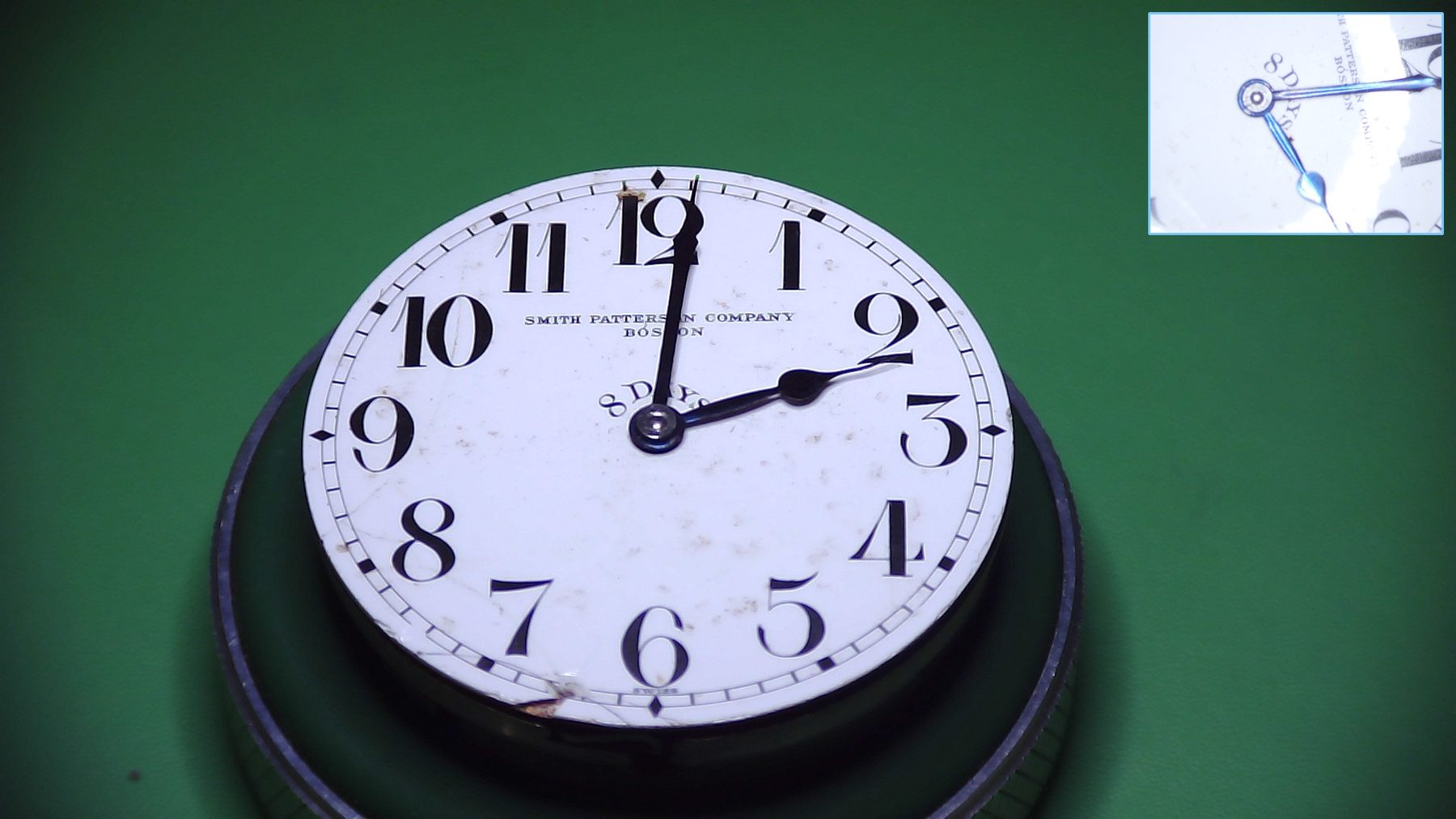
Smith Patterson / Doxa 8-Day Goliath
Boston retailer, Le Locle movement, circa 1910–1918
The Watch
An oversized (roughly 65–70 mm) 8-day movement in pocket-watch format (plates, jeweled train, escapement, etc.)
Known to collectors as a Doxa "Goliath." Doxa cased the same caliber to be used as car dashboard clocks, leather-cased travel clocks, desk clocks and giant "pocket watches."
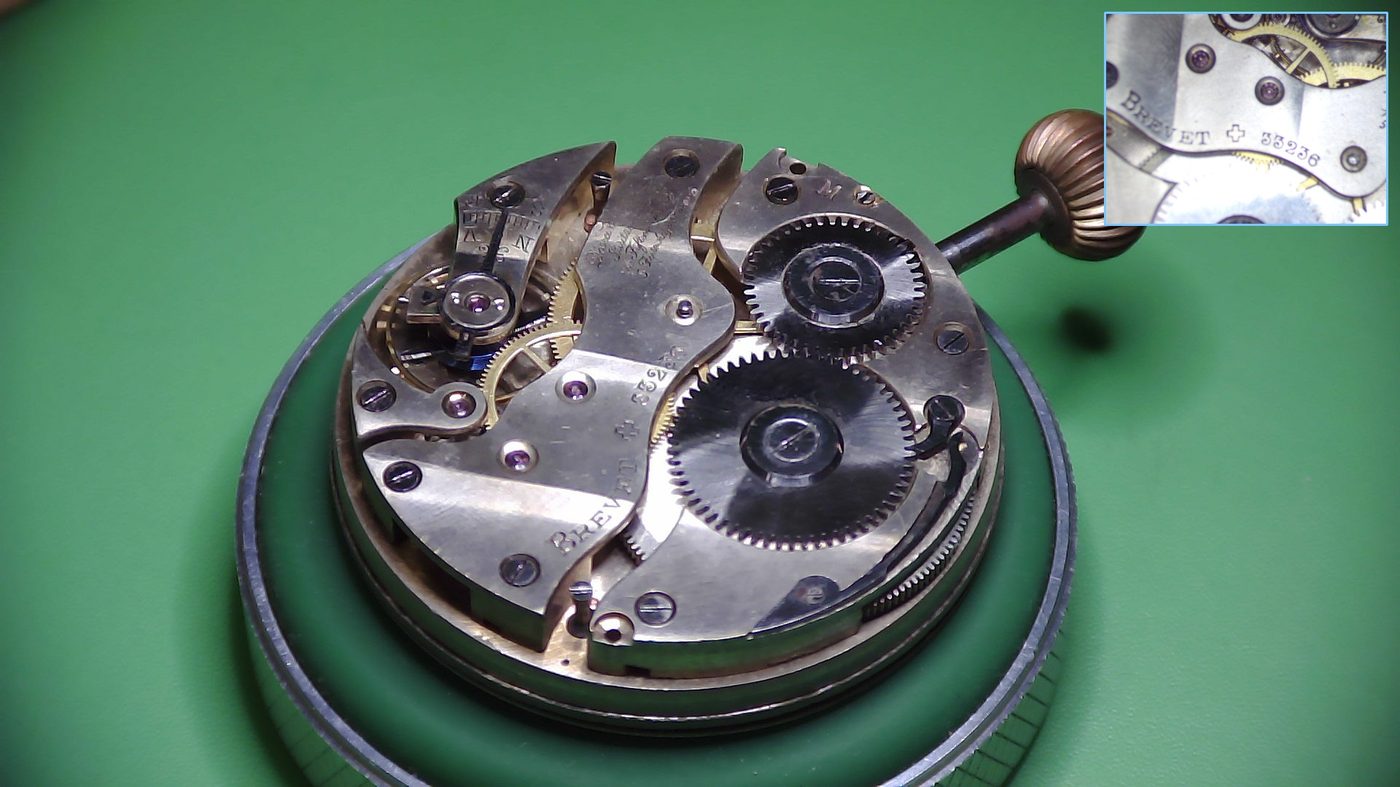
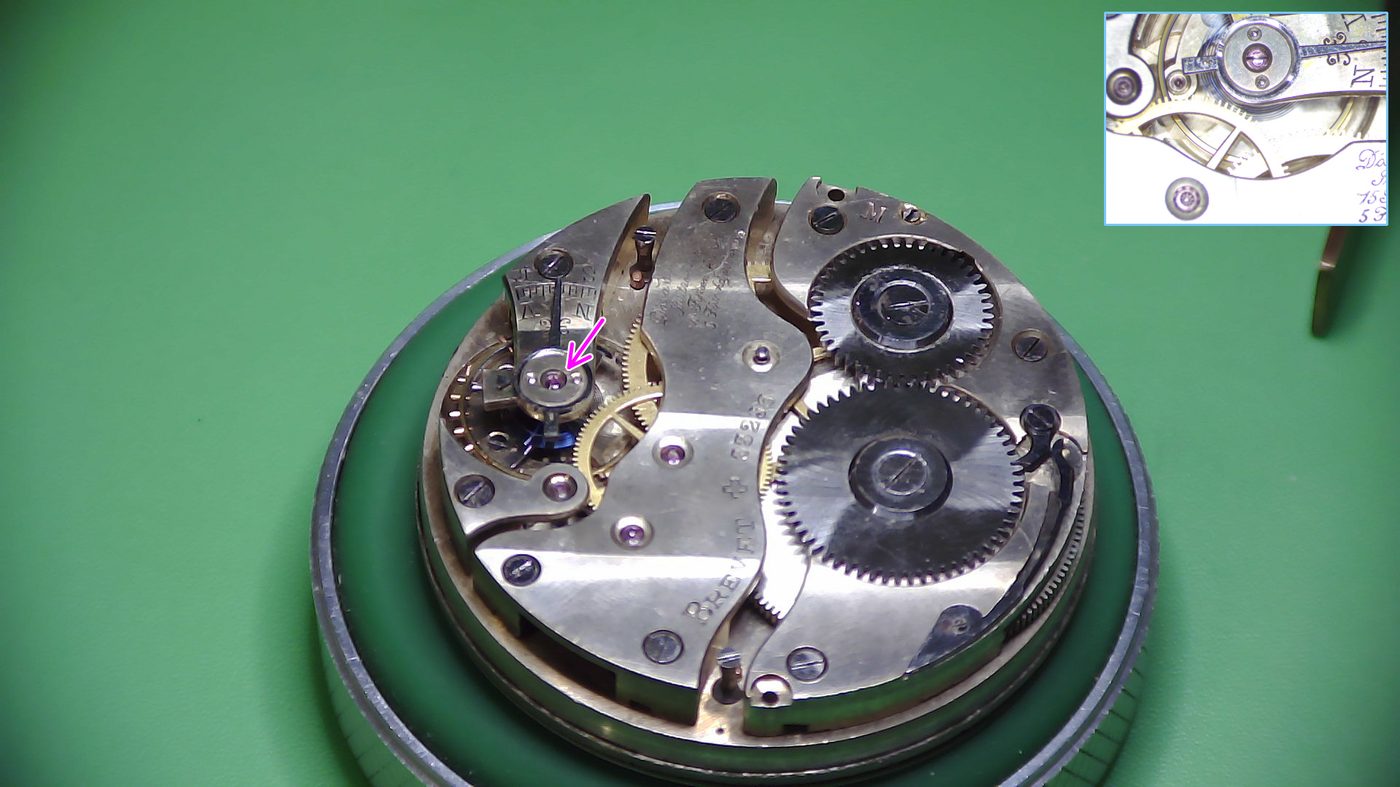
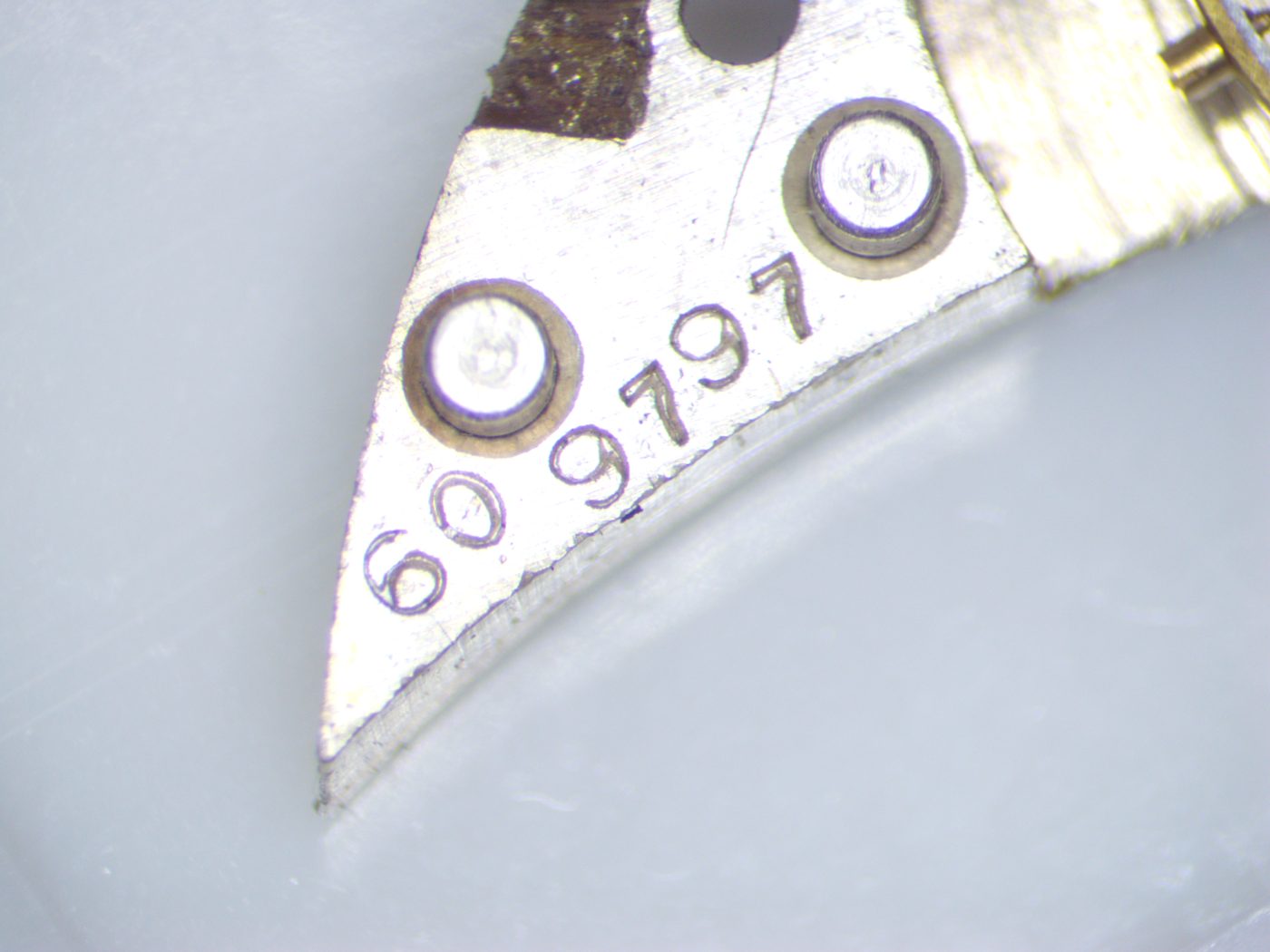
The dial is signed Smith Patterson Company, Boston; the movement is Doxa’s, stamped "Doxa Watch N.Y., Switzerland, 15 Jewels, 5 Adjustments, Brevet 33236," with serial 609797 on the balance cock.
The signature is a standard private-label arrangement: the retailer’s name on the dial, the maker’s movement underneath.
It is not known how this specific watch was used, but having been sold at a jeweler I would guess it was originally in a leather travel case OR it was sold to be installed in a car.
It was given to me by a kind soul at the 2026 Mid Winter Regional NAWCC mart in St. Augustine, FL (an event I suggest anyone interested in horology check out) (btw, NAWCC membership is a good value for those active in the horology collection or repair areas) because I was at the time wanting to learn to work on platform escapements. The person found me later on the mart floor and handed me this watch, insisting I have it for free to learn on. It was a kind deed, but in my shock I neglected to get the person’s name or take a photo with them. In a very Cinderella kind of way, my intent is to repair the watch and bring it to the 2027 event in the hopes of finding the person and showing them their act of faith paid off.
Decoding the Markings
|
Marking |
Meaning |
|
Brevet 33236 |
Not a serial number. Swiss Patent No. 33236, granted in 1907 to Georges Ducommun of Le Locle for a movement with an unusually long running time. Every example of this caliber carries it. |
|
Doxa Watch N.Y. |
Genuine, not a misread. Reflects Doxa’s New York import office, the channel that carried a Le Locle movement to a Boston jeweler. |
|
Serial 609797 |
The individual movement number (see below). |
Dating the serial
The serial cannot be looked up. Doxa’s pre-1940 archives were destroyed in a flood in 1966, and the collector scheme where the first two digits encode the year applies only to case backs of 1940–1965.
The only method left is bracketing. Observed serials on this caliber run from the low hundreds of thousands past 1.3 million, with a 1.3-million example dated to about 1927. At 609797, this watch sits well below that, pointing to the early-to-mid 1910s. This is an estimate, not a documented date.
The Maker: Doxa
Georges Ducommun founded Doxa in Le Locle in 1889. The 8-day caliber of 1907 made its name, becoming standard equipment on Bugatti’s cars and later appearing on ship and aircraft instrument panels. On Ducommun’s death in 1936 the firm passed to his son-in-law Jacques Nardin, grandson of Ulysse Nardin, long before Doxa’s second life as a dive-watch maker.
The Retailer: Smith Patterson Company
Boston’s answer to Tiffany. Most sources give an 1885 founding by Marcell N. Smith and Henry Winthrop Patterson, but the firm’s own shield trademark claimed use "since 1876," and its 1950 and 1955 anniversary celebrations also count from 1876. The conflict is unresolved; the likely explanation is a predecessor business in 1876 and the partnership proper in 1885. It became Smith, Patterson & Co. in 1895 when Carl D. Smith, the senior partner’s brother, joined, and was later incorporated.
- The store: 52 Summer Street at Arch, rebuilt around 1905–06 into a flagship (Peabody & Stearns drawings, 1905–1909, are in the Boston Public Library). The fifth floor housed the firm’s own watchmakers and repairers. The firm left Summer Street for Washington Street in 1947–48.
- Early department-store thinking: by 1893 the business was split into managed departments, with watches and clocks already separate. Henry L. Reynolds ran the watch department in the 1908–1913 era, the period this watch most likely passed through.
- The pipeline: Carl Smith made two-month buying tours of Continental Europe (1910), with regular diamond and silver buying trips elsewhere. A Montreal branch gave the firm a Canadian operation. Private-label work was routine across categories, from Gorham and Towle sterling to tall-case clocks, Longines trench-watch movements and, per Ehrhardt and Meggers, contract Waltham watches.
- Watches were core stock: in 1897–98 a single clerk, Arthur S. Black Jr., left with fifteen watches, two diamond rings and several stickpins in his valise, and was caught after trailing Spanish-American War soldiers from camp to camp.
Three Episodes Worth Knowing
- The Titanic: in April 1912 the trade press reported that Carl D. Smith had booked passage on the Titanic three weeks ahead and meant to come home on her, but changed plans two days before sailing to reach Boston before Easter.
- The jeweler-aviator: in November 1917 vice-president Nelson H. Smith, training for wartime flying, piloted his own Burgess-Dunne hydro-airplane 4,500 feet over Boston Common, circling six times and dropping 2,000 Liberty Loan pamphlets in a 58-minute flight.
- The wholesale exit: on 23 November 1929, weeks after the Crash, the firm announced it would retire from wholesale jewelry on 1 January 1930 after some fifty years, keeping manufacturing and retail. By 1956 the store was the Smith-Patterson division of Jordan Marsh, whose name ended up on Macy’s in 1996.
Dating This Watch
Movement serial (early-to-mid 1910s), the New York import marking, and the dial signature of a firm at the height of its 52 Summer Street era all agree on circa 1910–1918, sold in Boston before the firm’s expansive pre-1930 period ended.
Next Steps
- Post serial 609797 with photos to the NAWCC forums for dated comparables.
- Photograph case hallmarks and import marks. A British import mark carries a date letter, giving a hard "no later than" date.
- Check under the dial for a repeated serial and service scratchings.
References
- "Information Regarding Smith, Patterson Co. of Boston, Massachusetts," 925-1000.com forum thread (extracts from The Jewelers’ Circular, The Keystone and Jewelers’ Circular-Keystone, 1891–1958)
- NAWCC Message Board, "Swiss made pocket watch need help identifying" (Brevet 33236)
- NAWCC Message Board, "Need Help Identifying Doxa 8 Tage pocketwatch"
- Doxa Watches, "History"
- WatchUSeek, "A Brief Guide to Vintage Doxa"
- WahaWatches, "How to Date a Watch in 16 Steps"
- Sammler-Uhren, "Doxa: Information on age and works"
- Lawrence History Center, catalog record 1987.071.002 (Smith Patterson Co. trophy, 1915)
- Ruby Lane, Smith Patterson & Co. mahogany tall clock listing
- Peabody and Stearns Collection, Boston Public Library Special Collections
- Ehrhardt, Roy, and Meggers, William. American pocket watch identification and price guide series.
- Wikipedia, "Jordan Marsh"
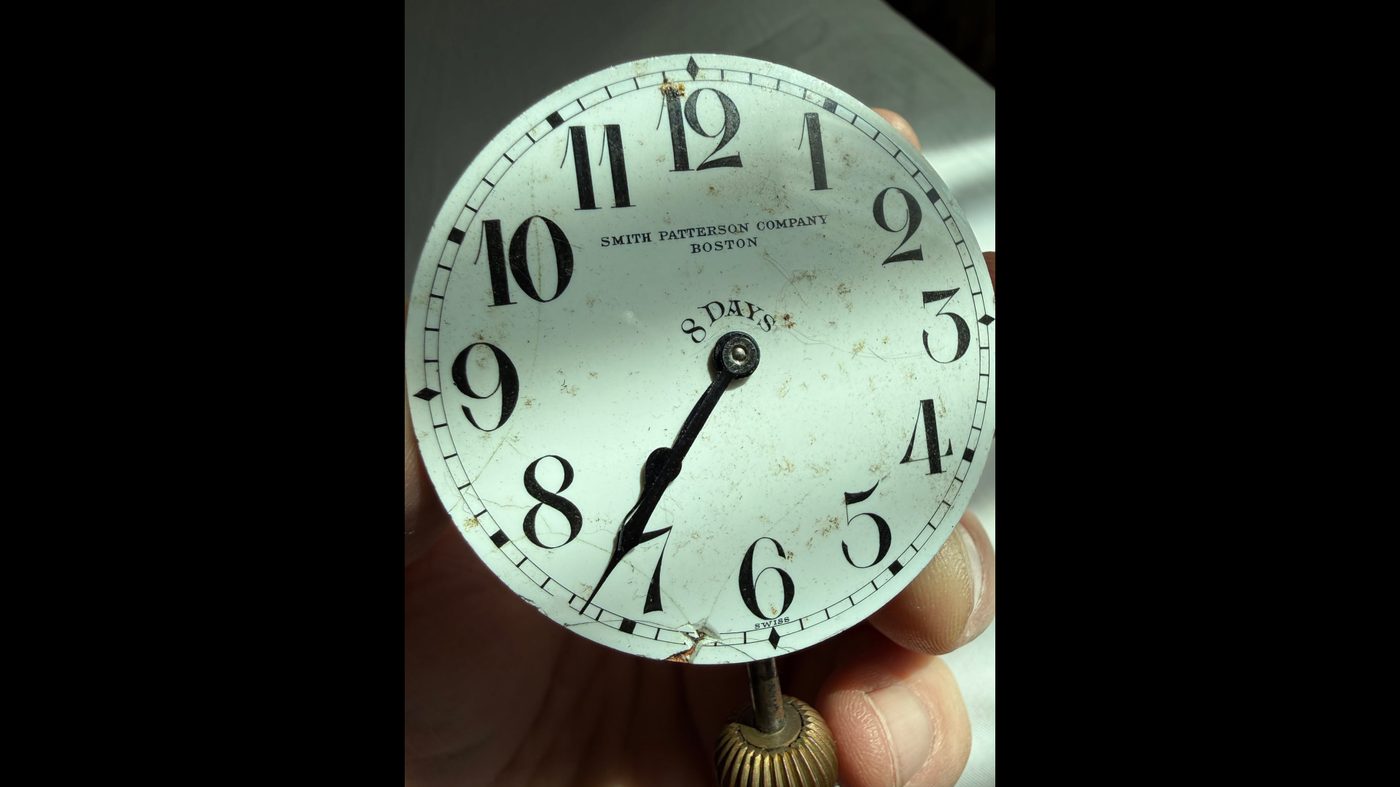
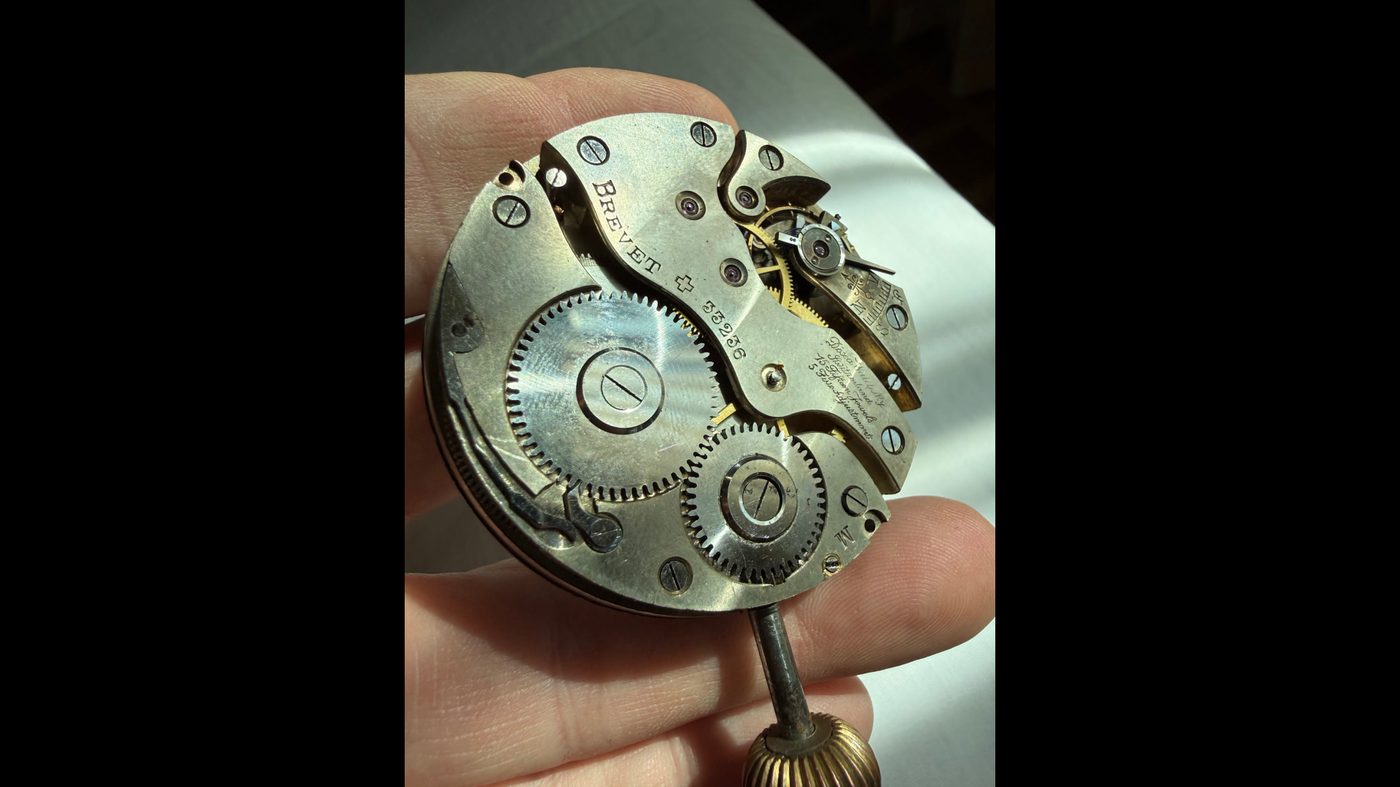
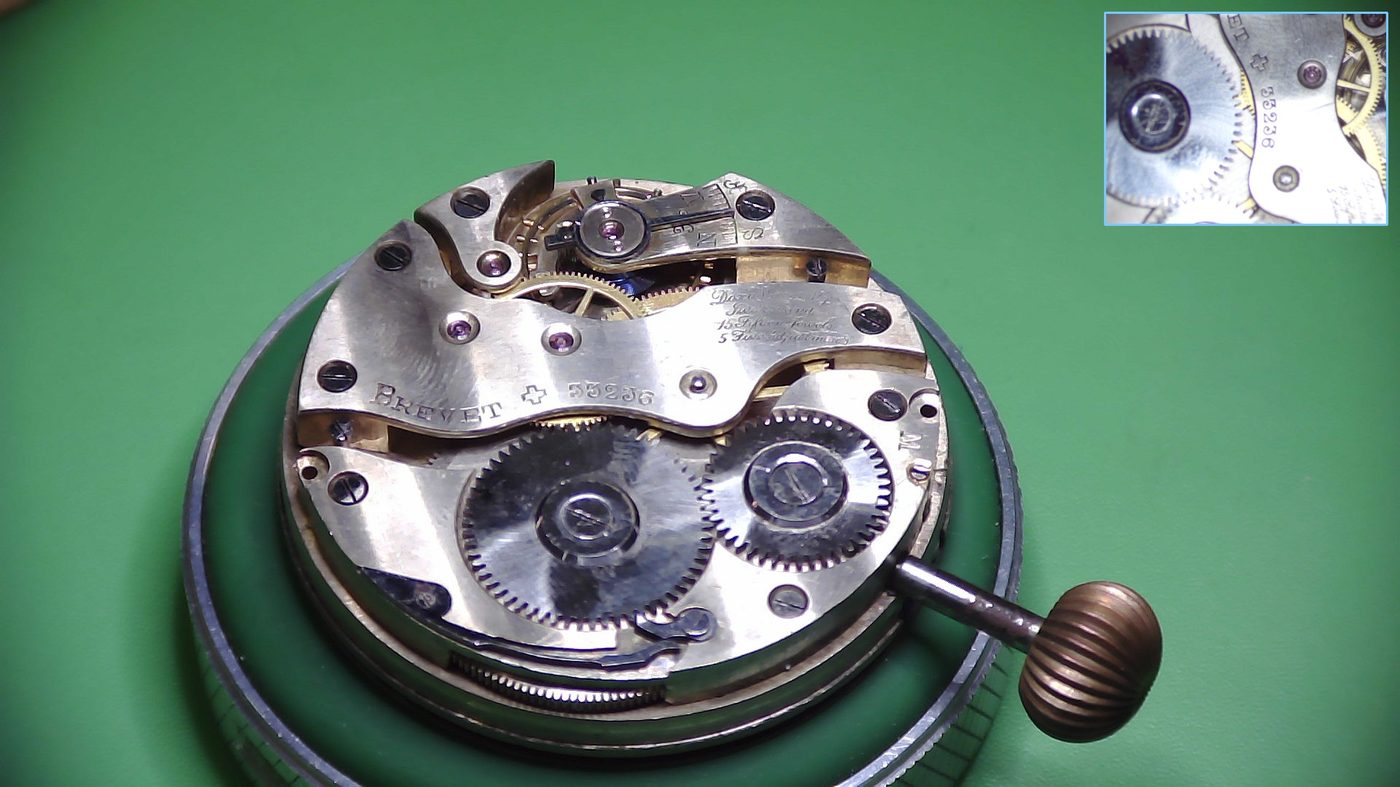
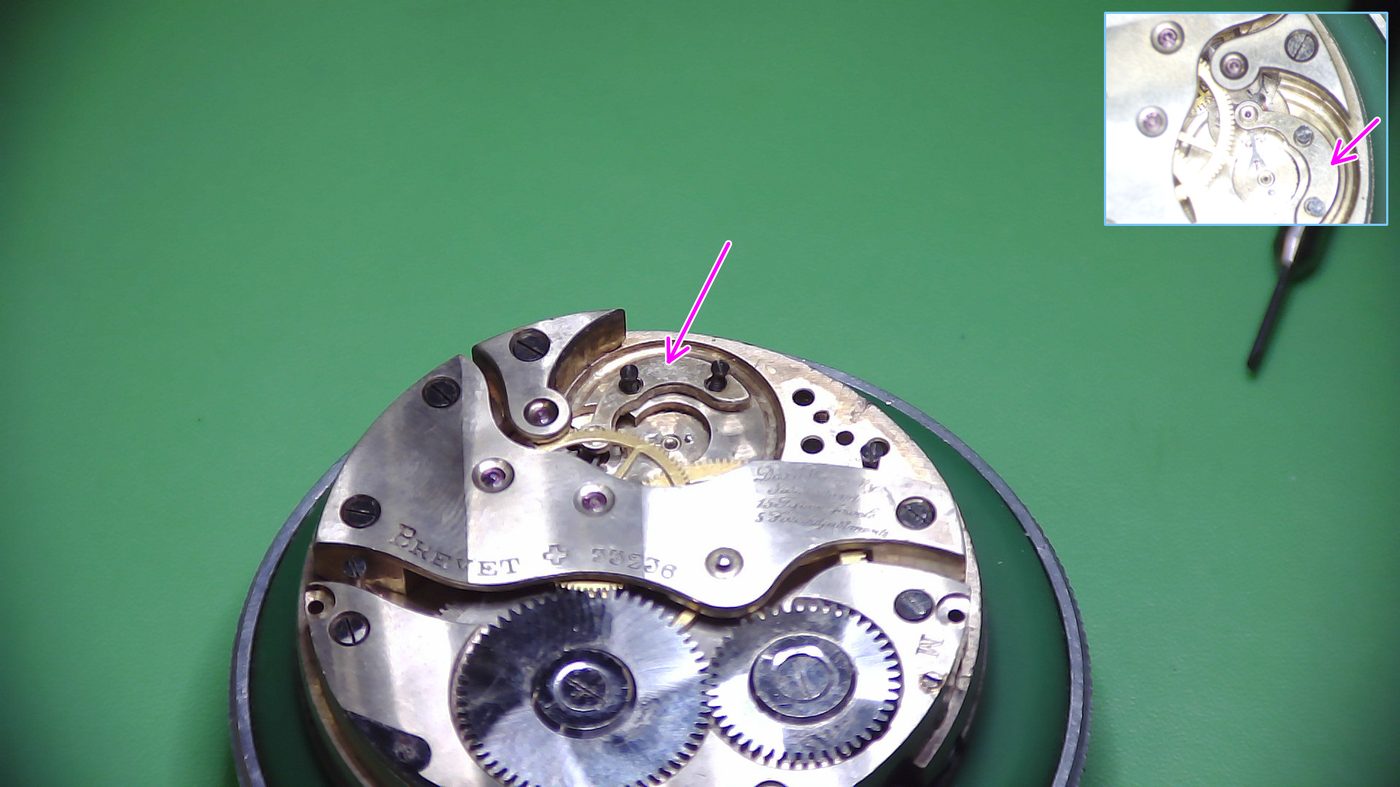
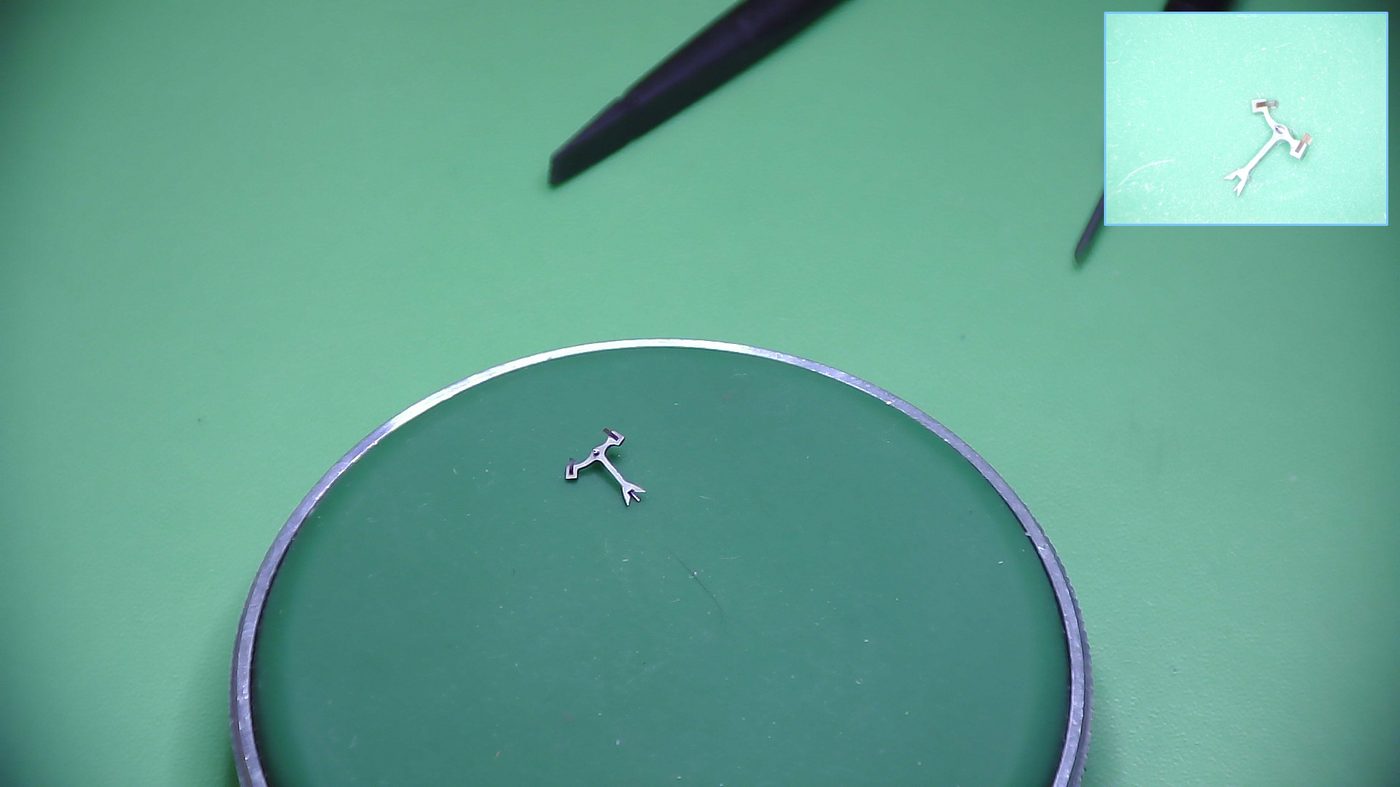
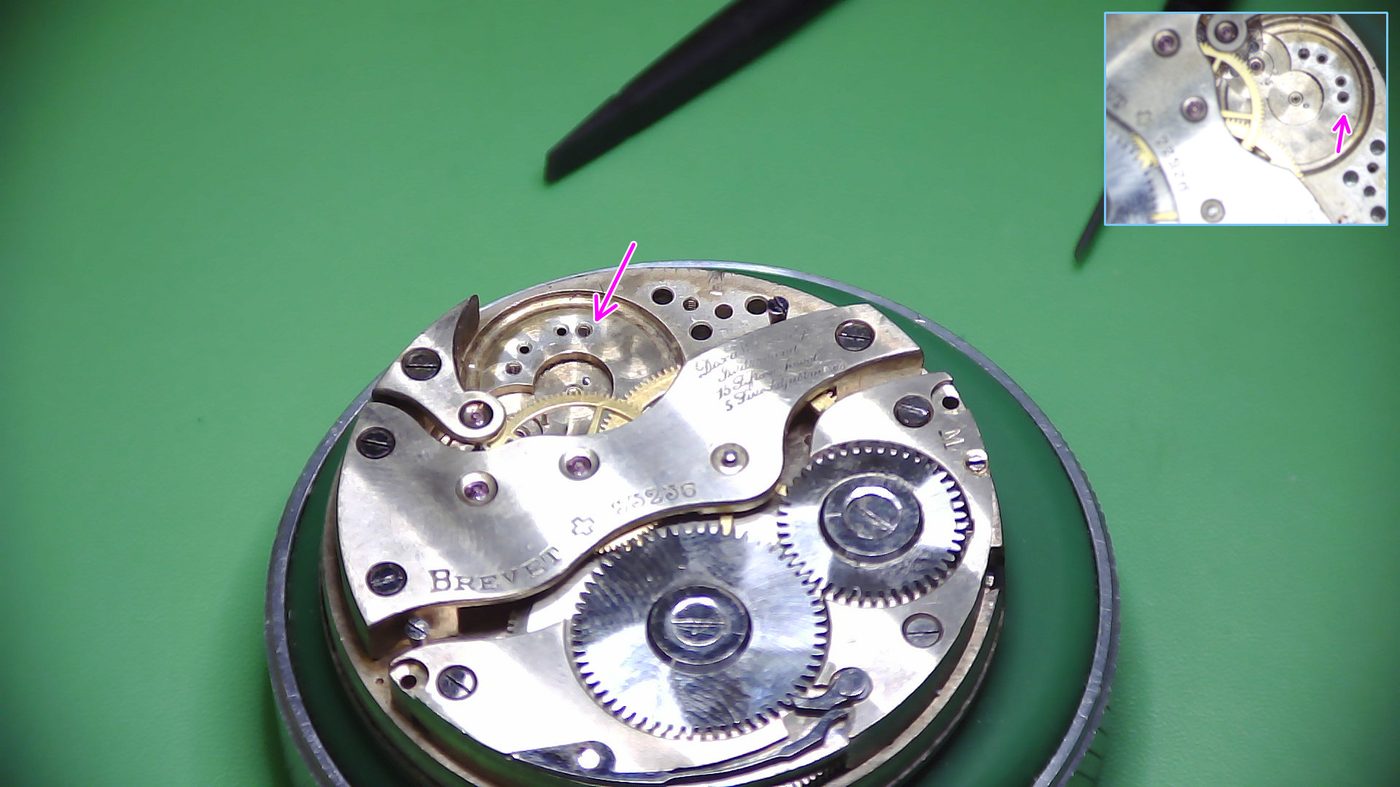
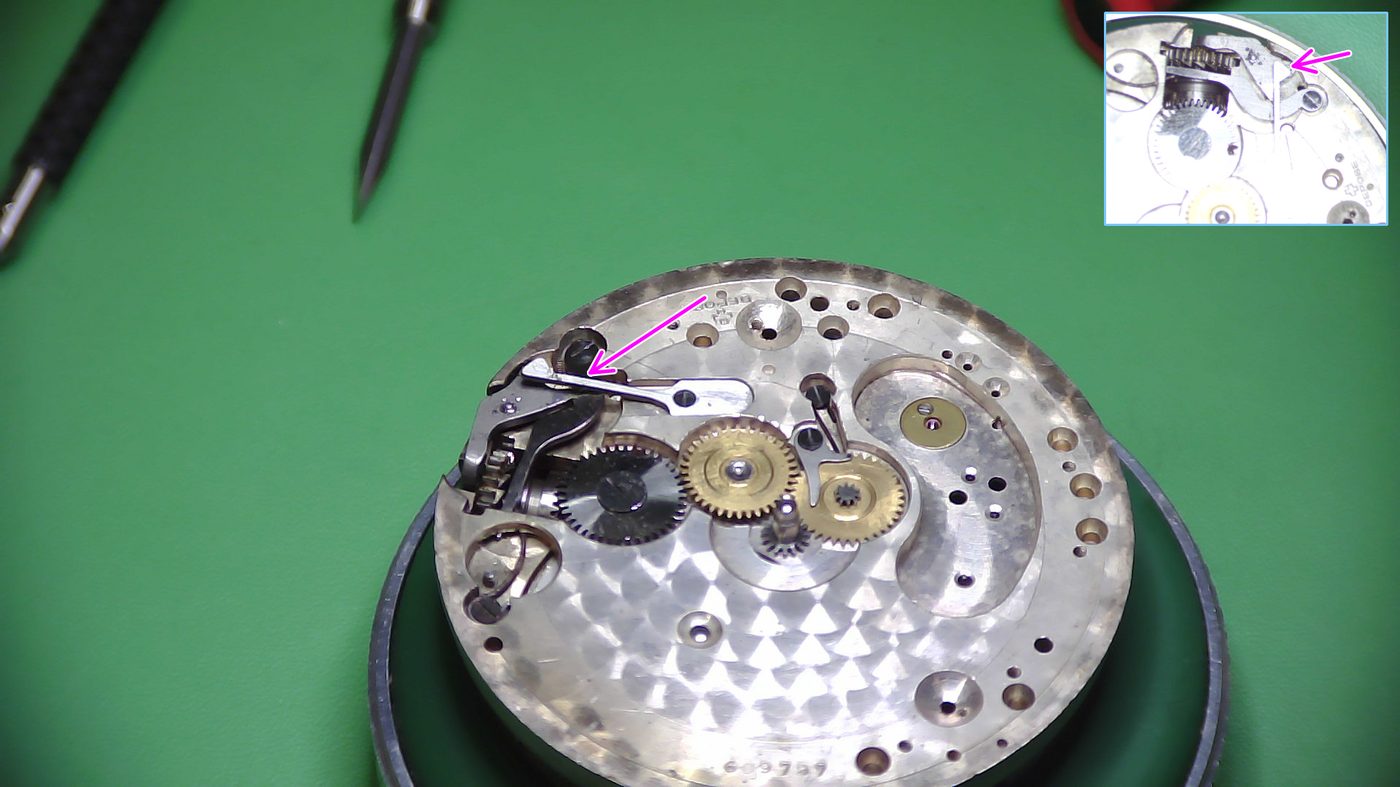
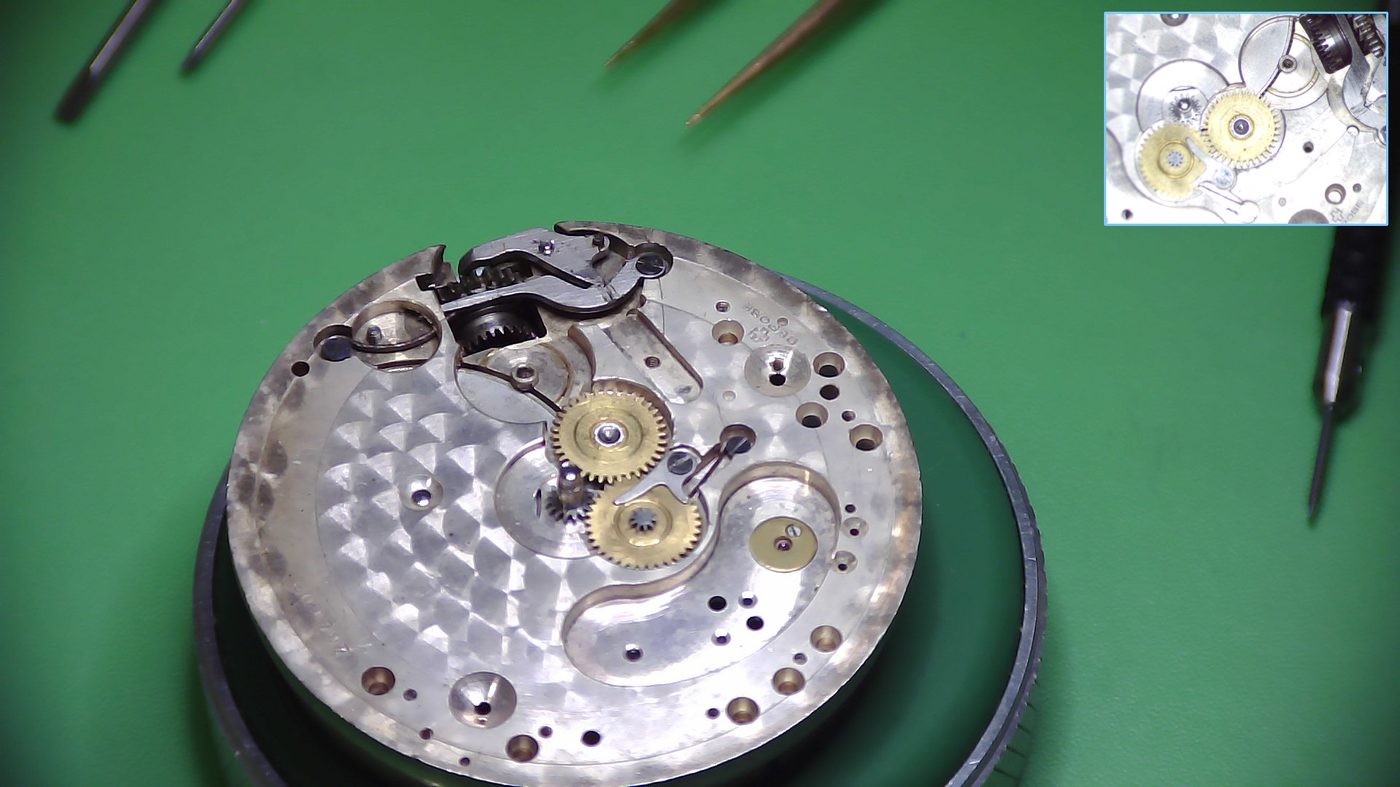
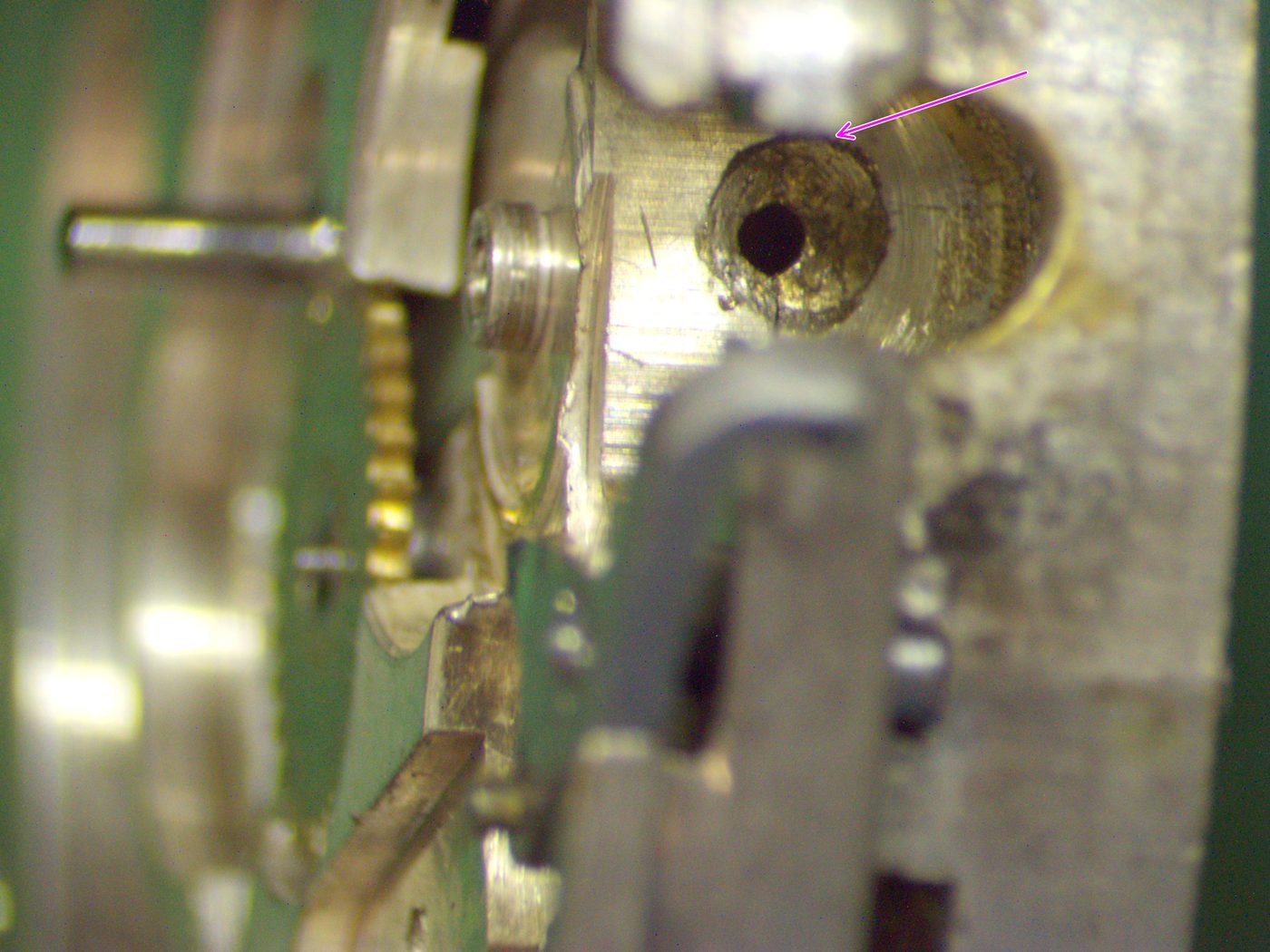
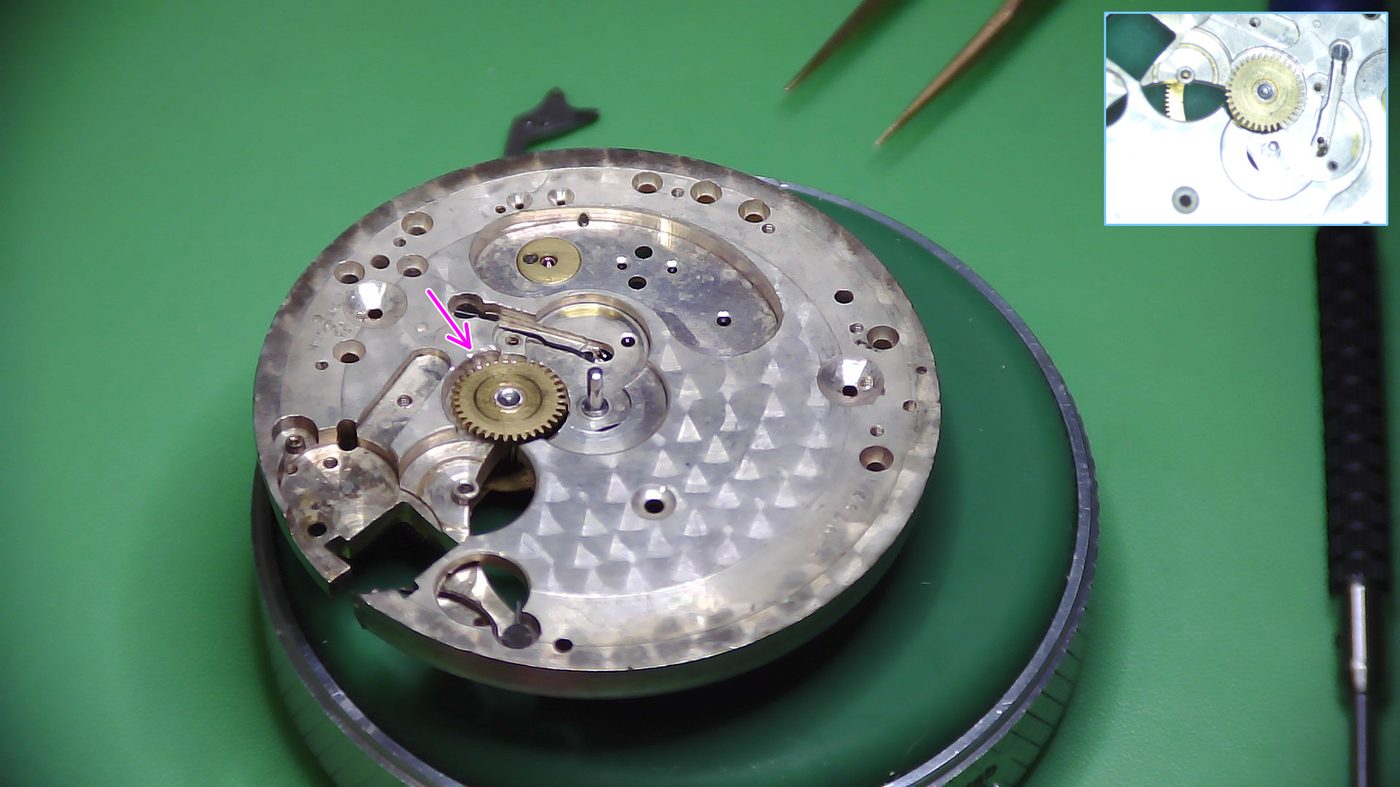
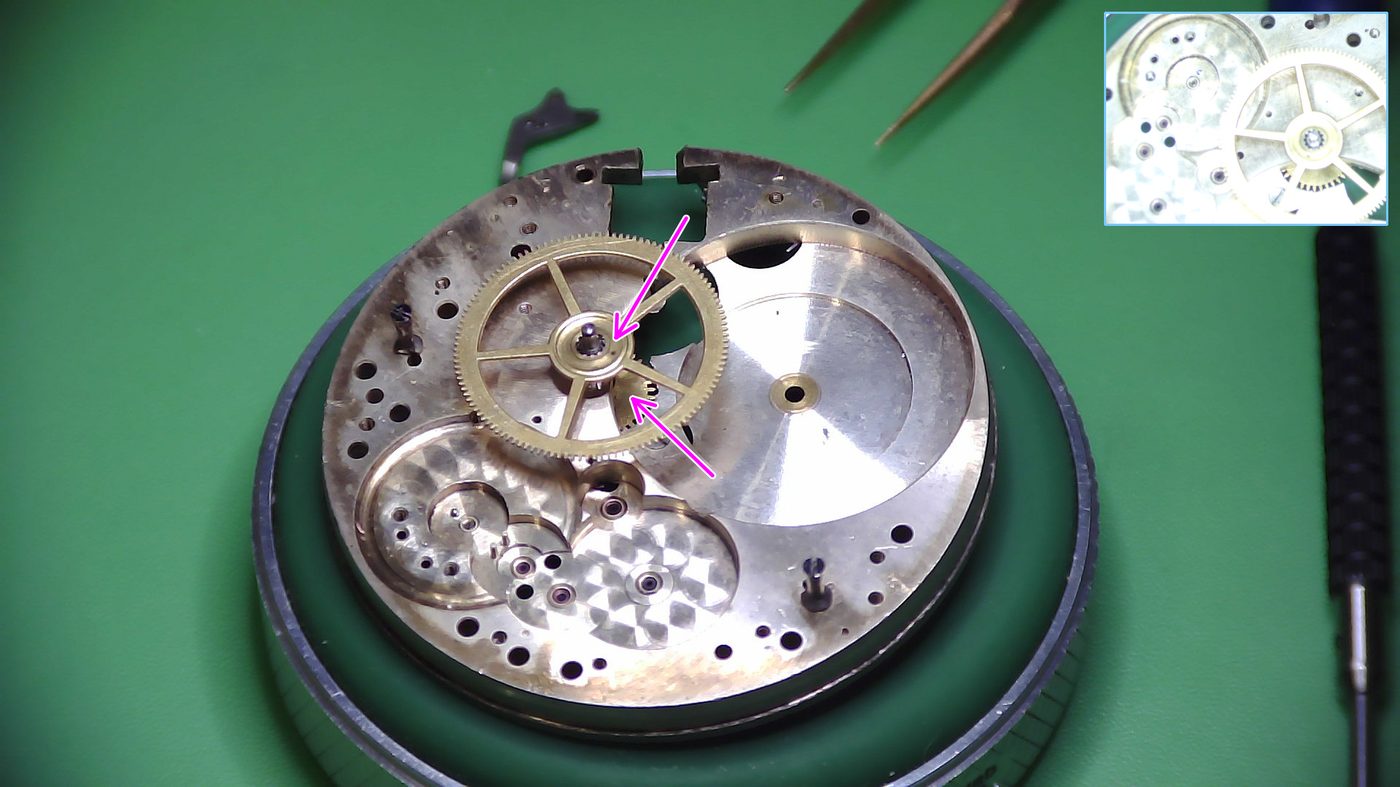
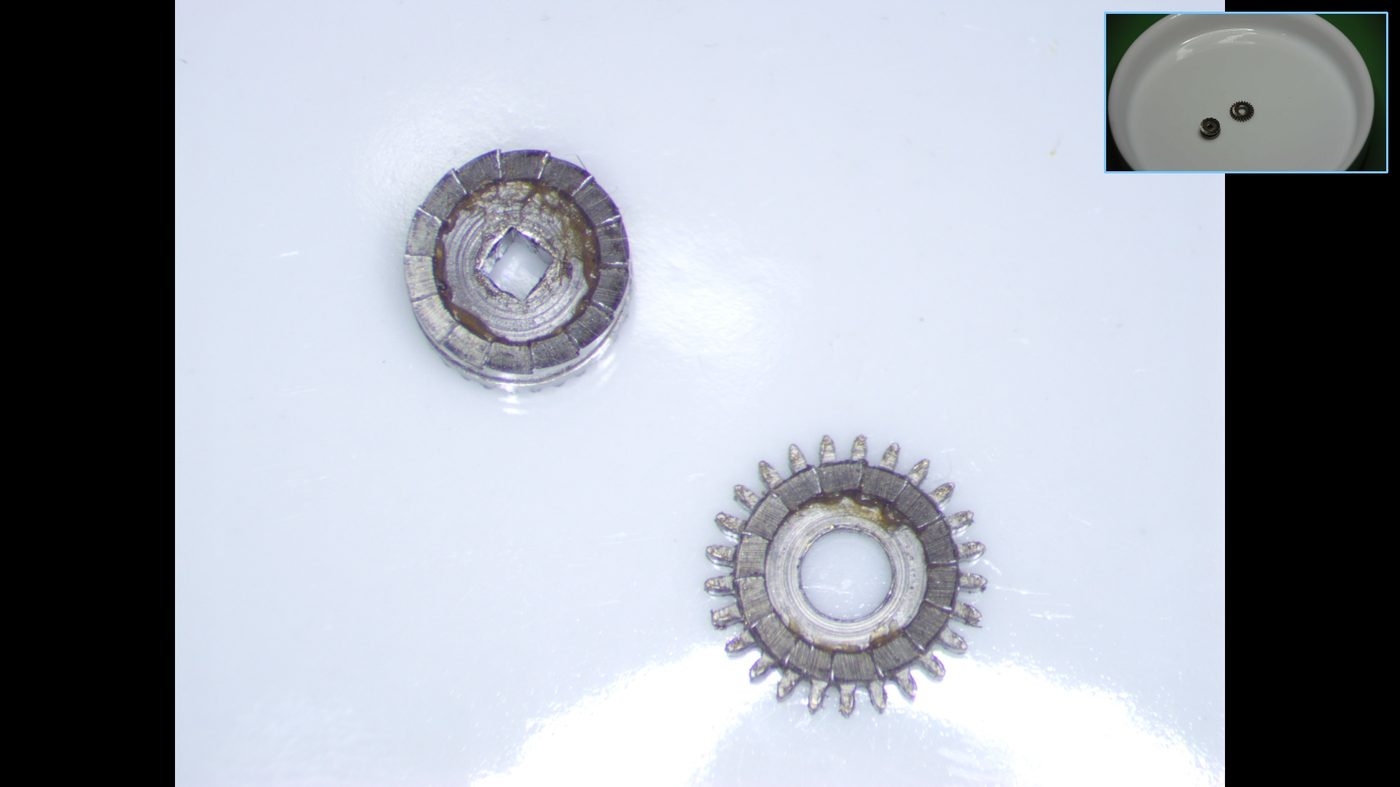
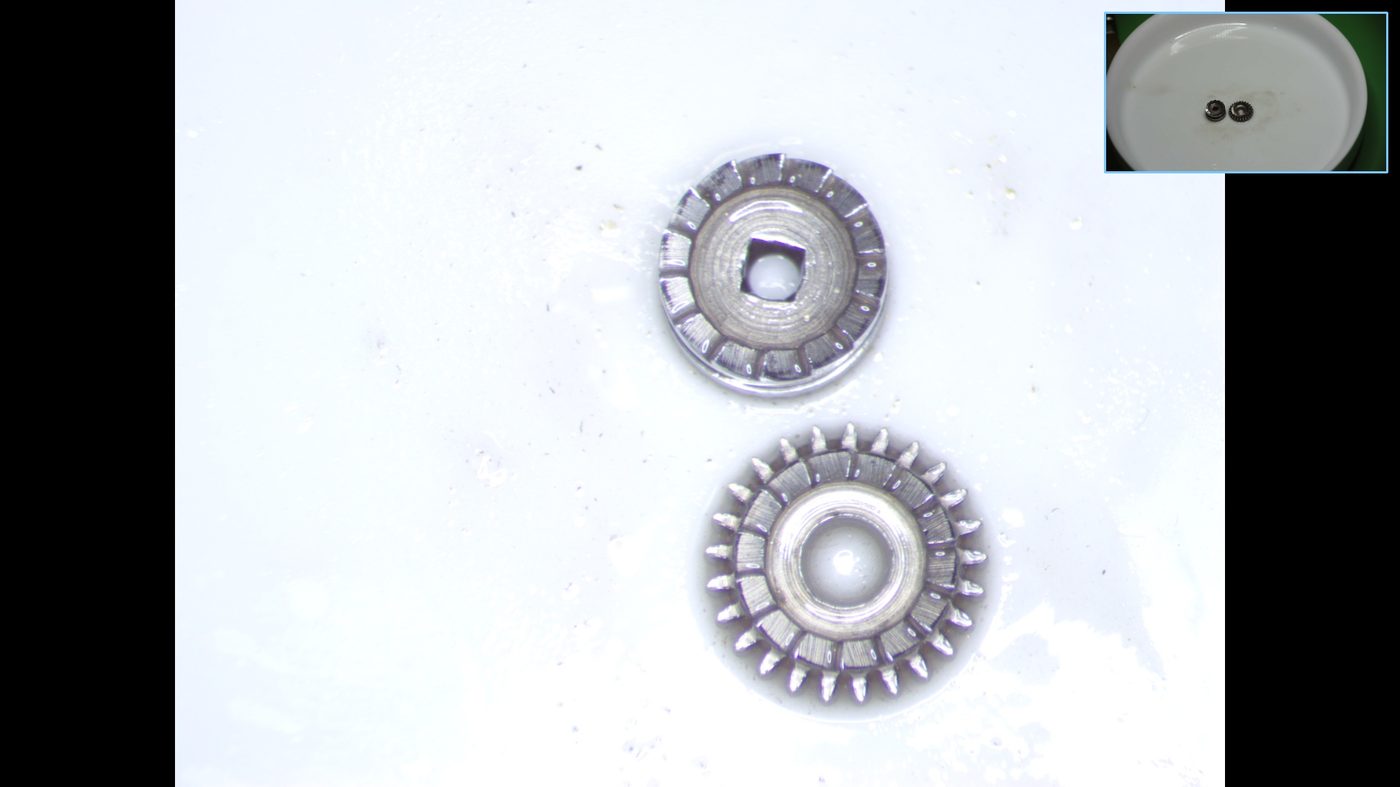
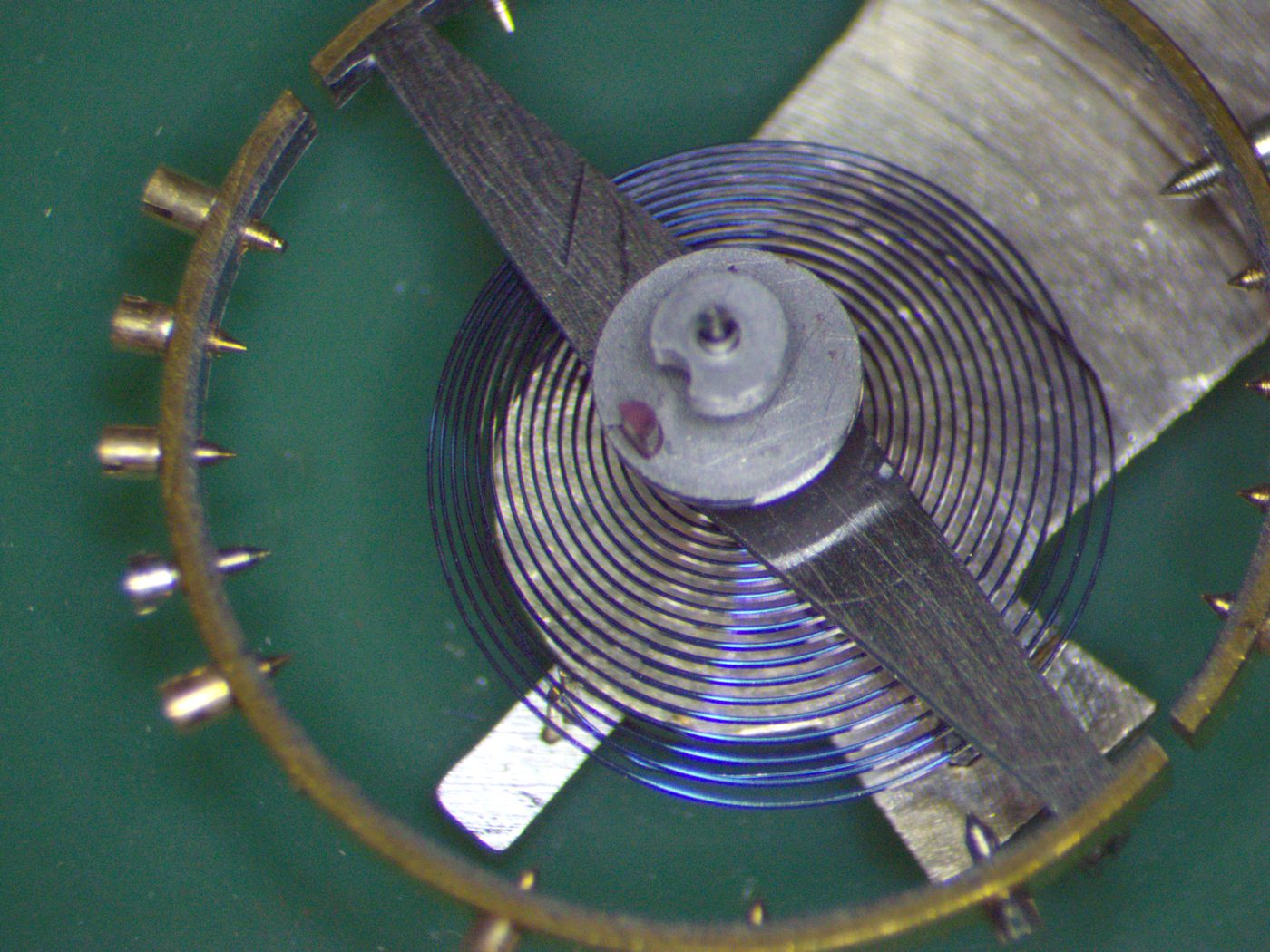
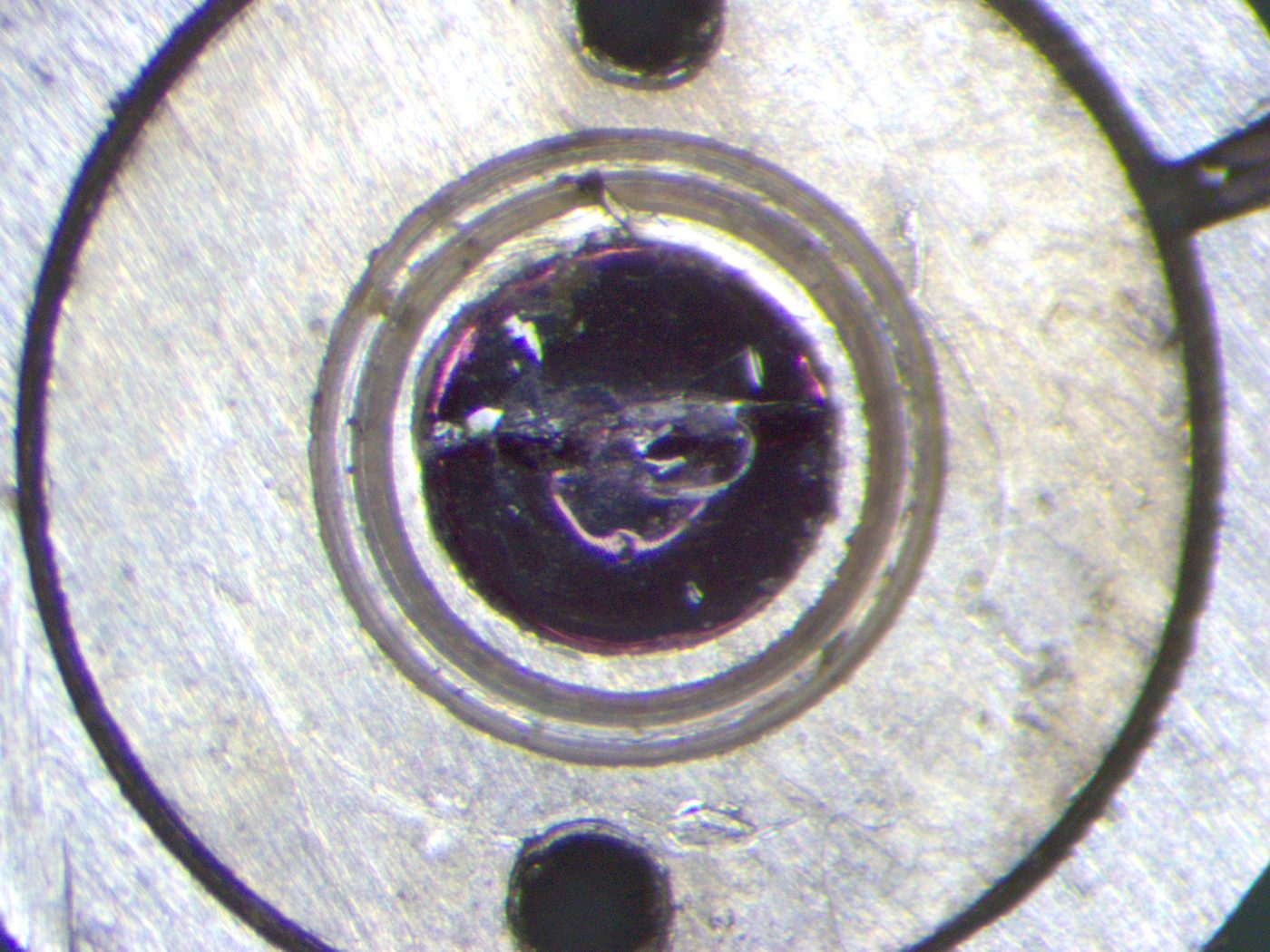
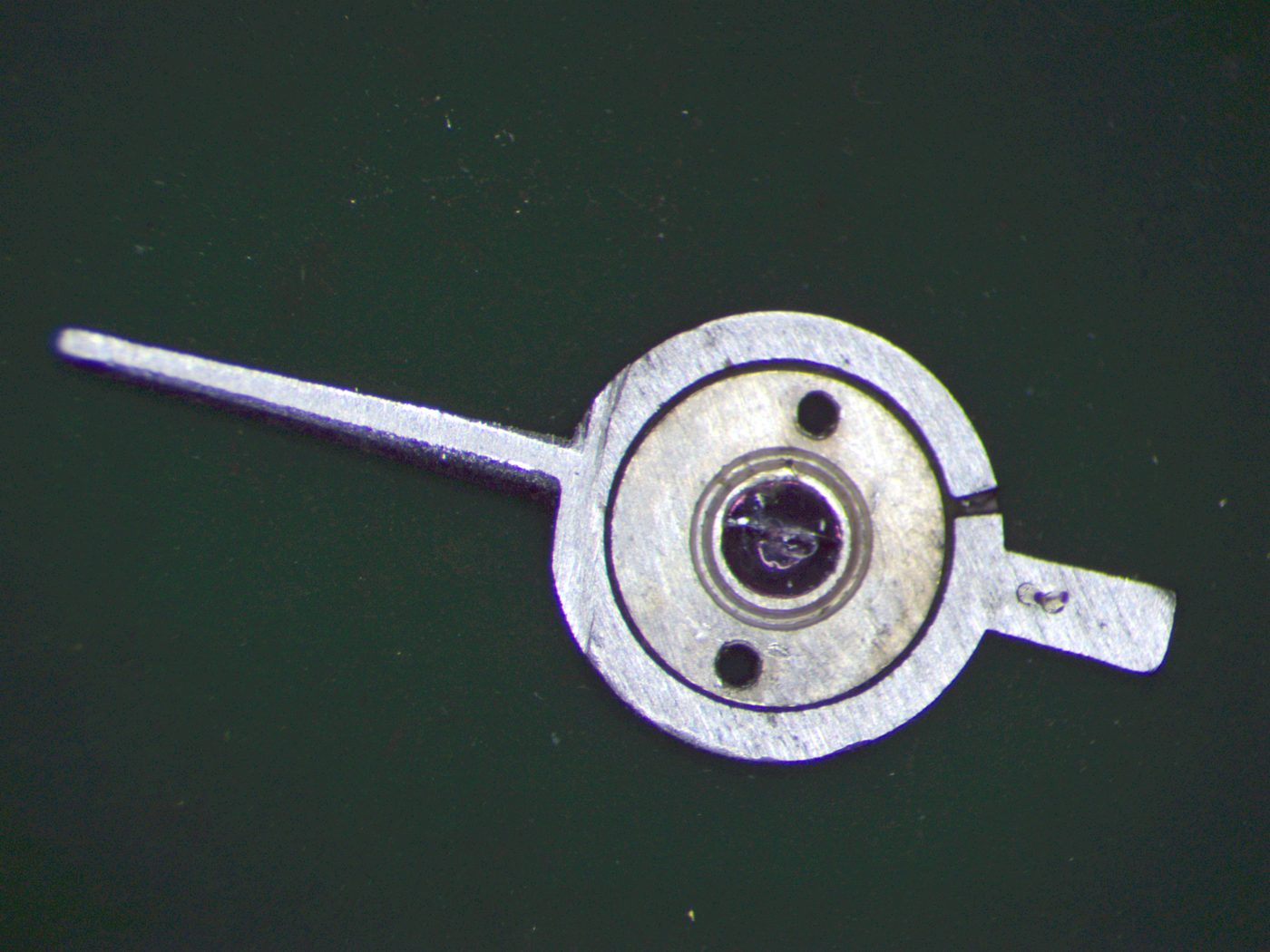
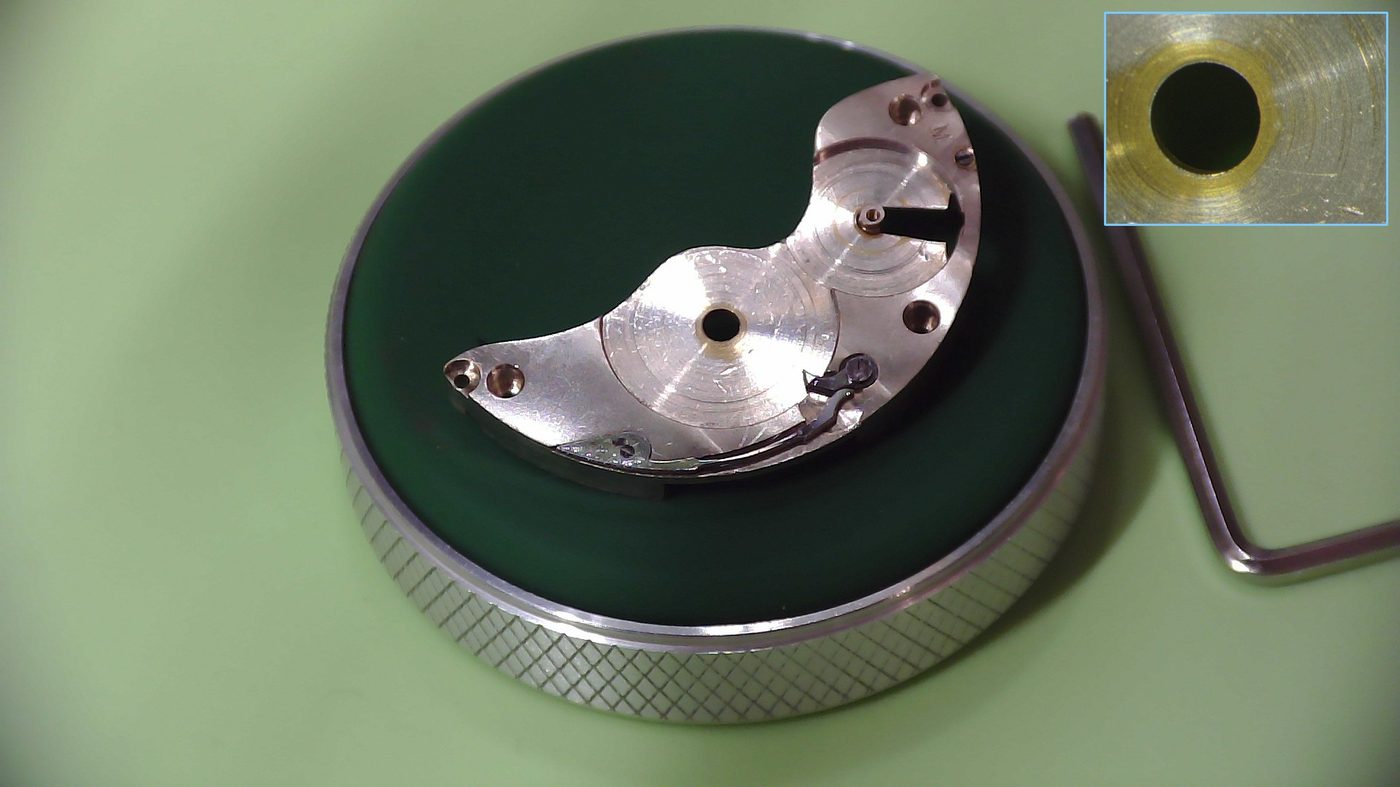
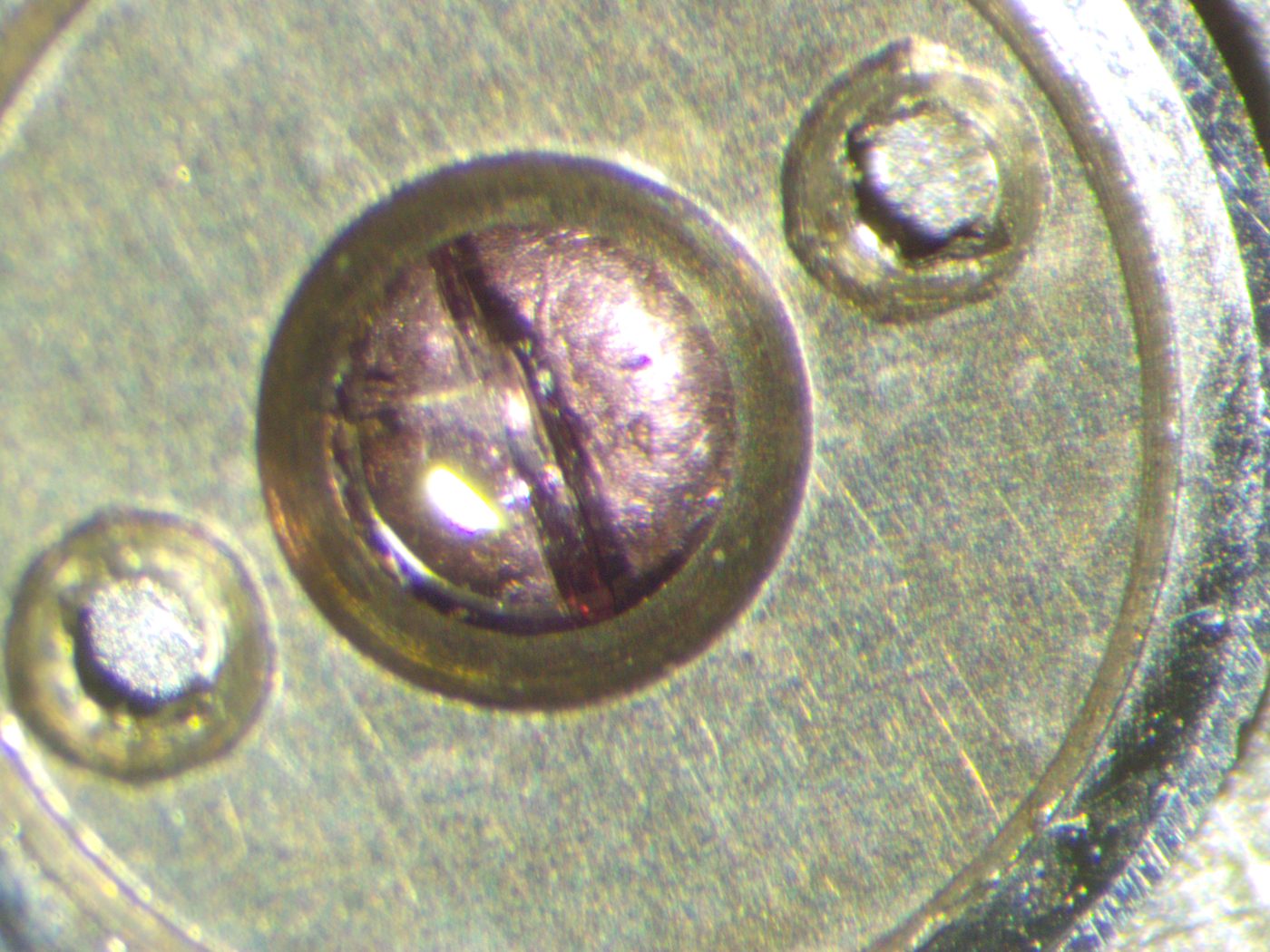
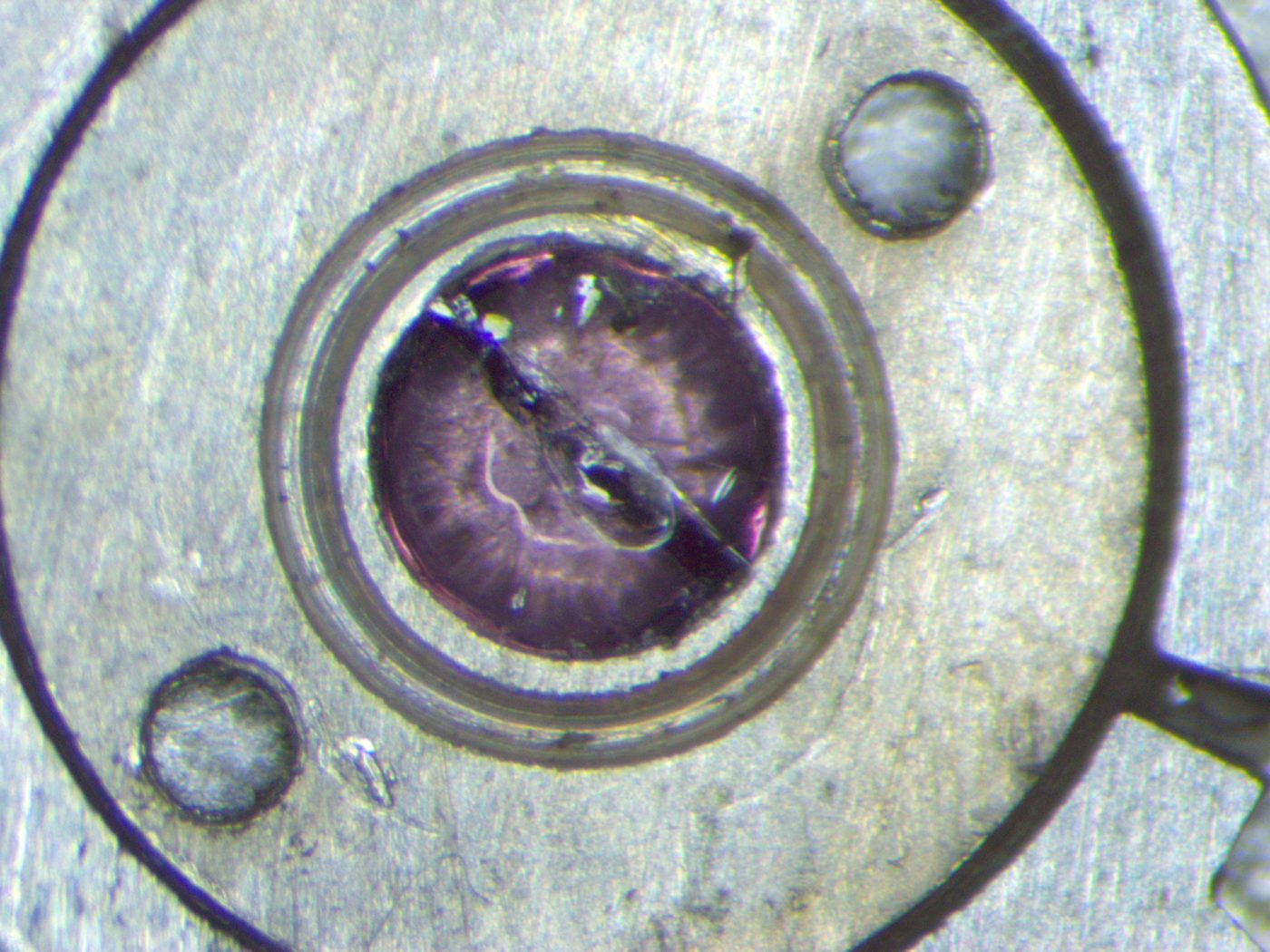
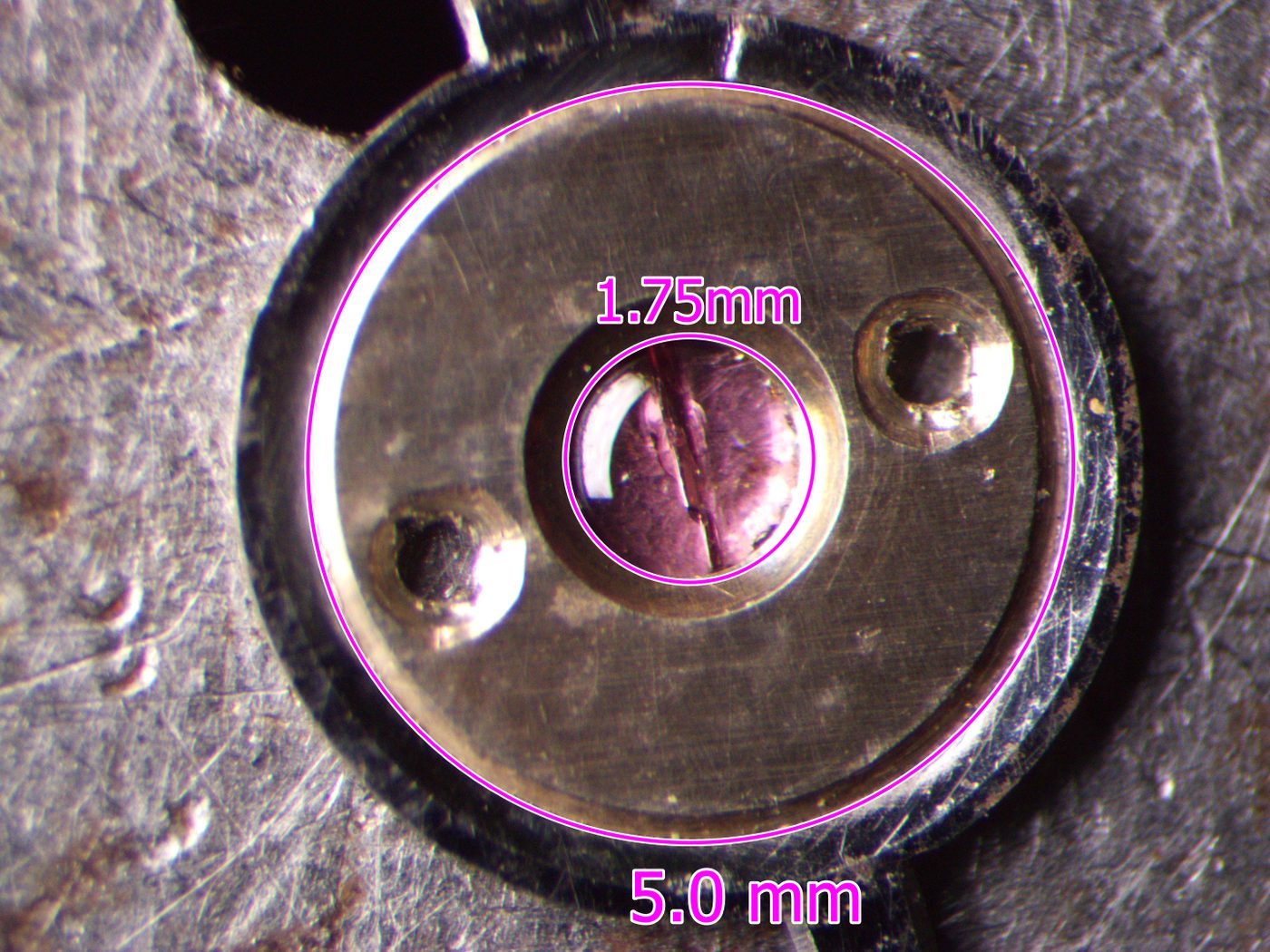
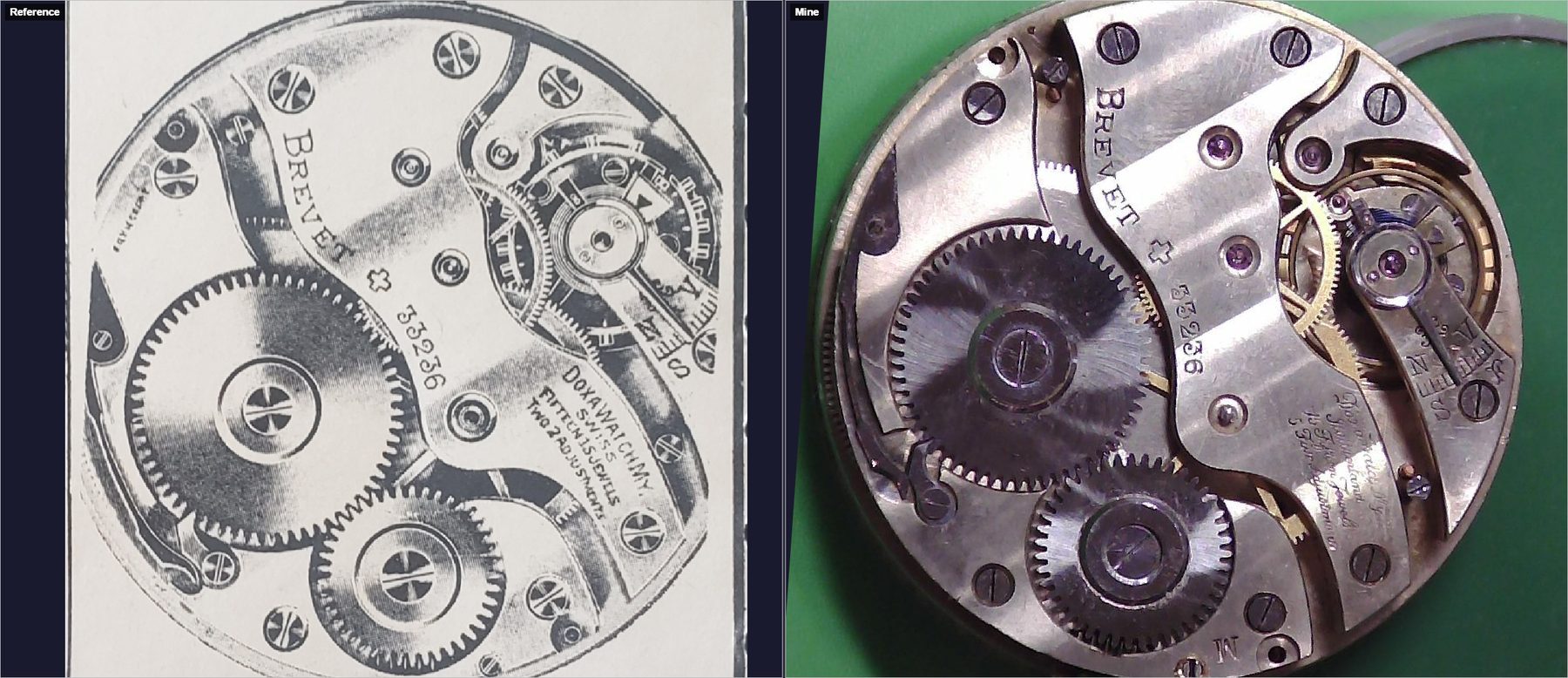
Knowing this is an 8D allowed me to put a watch on a donor movement on ebay.
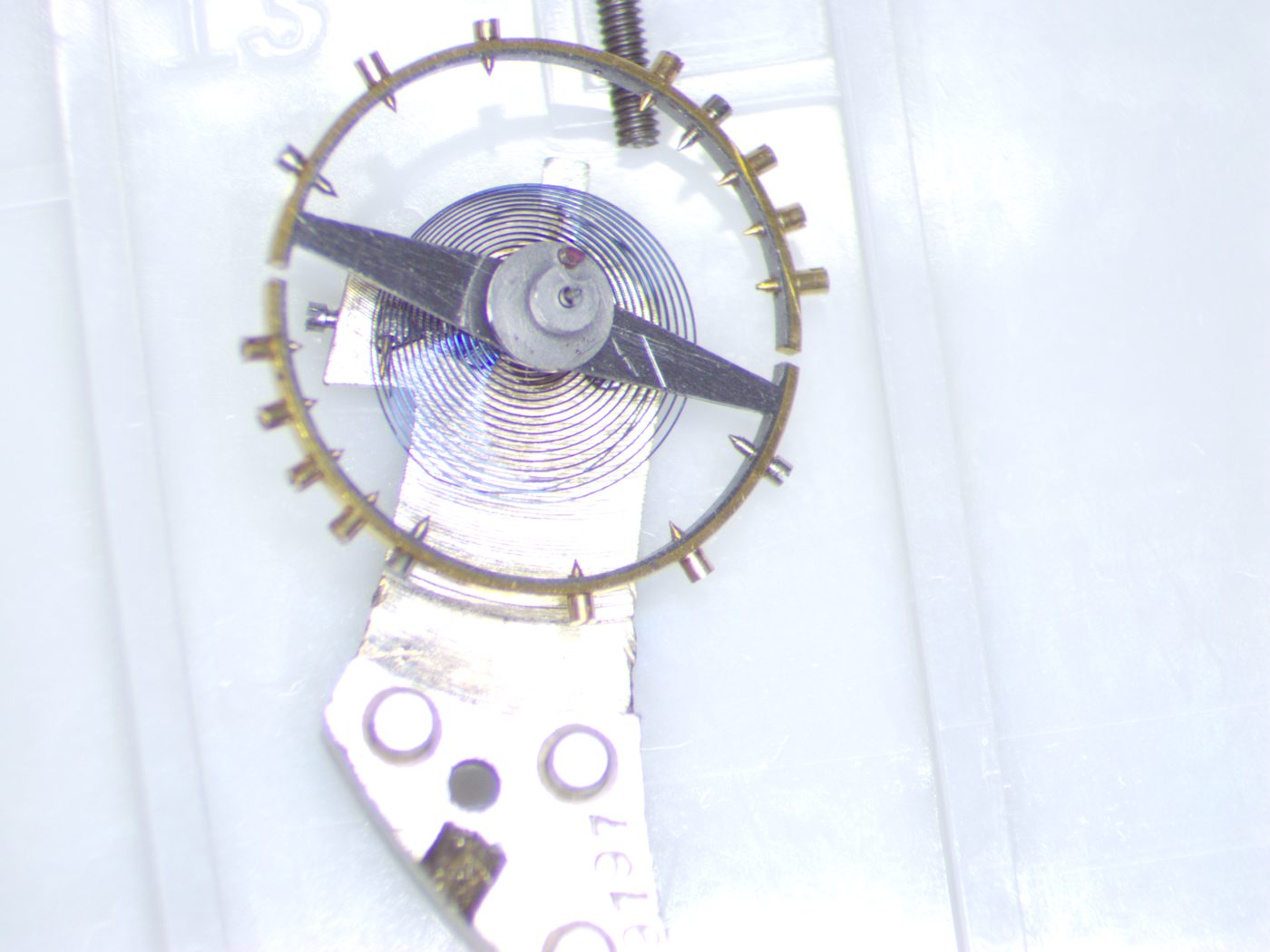
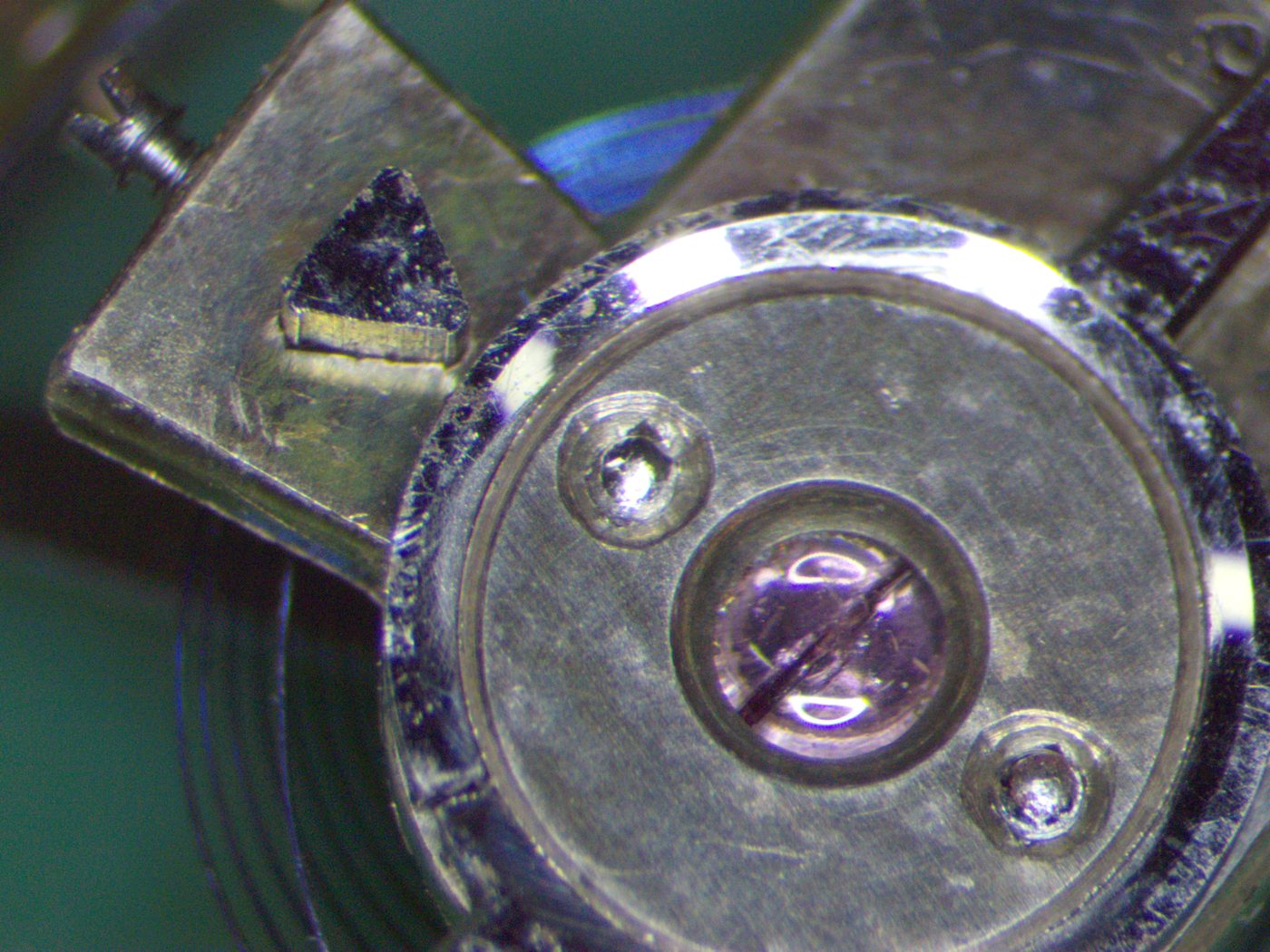
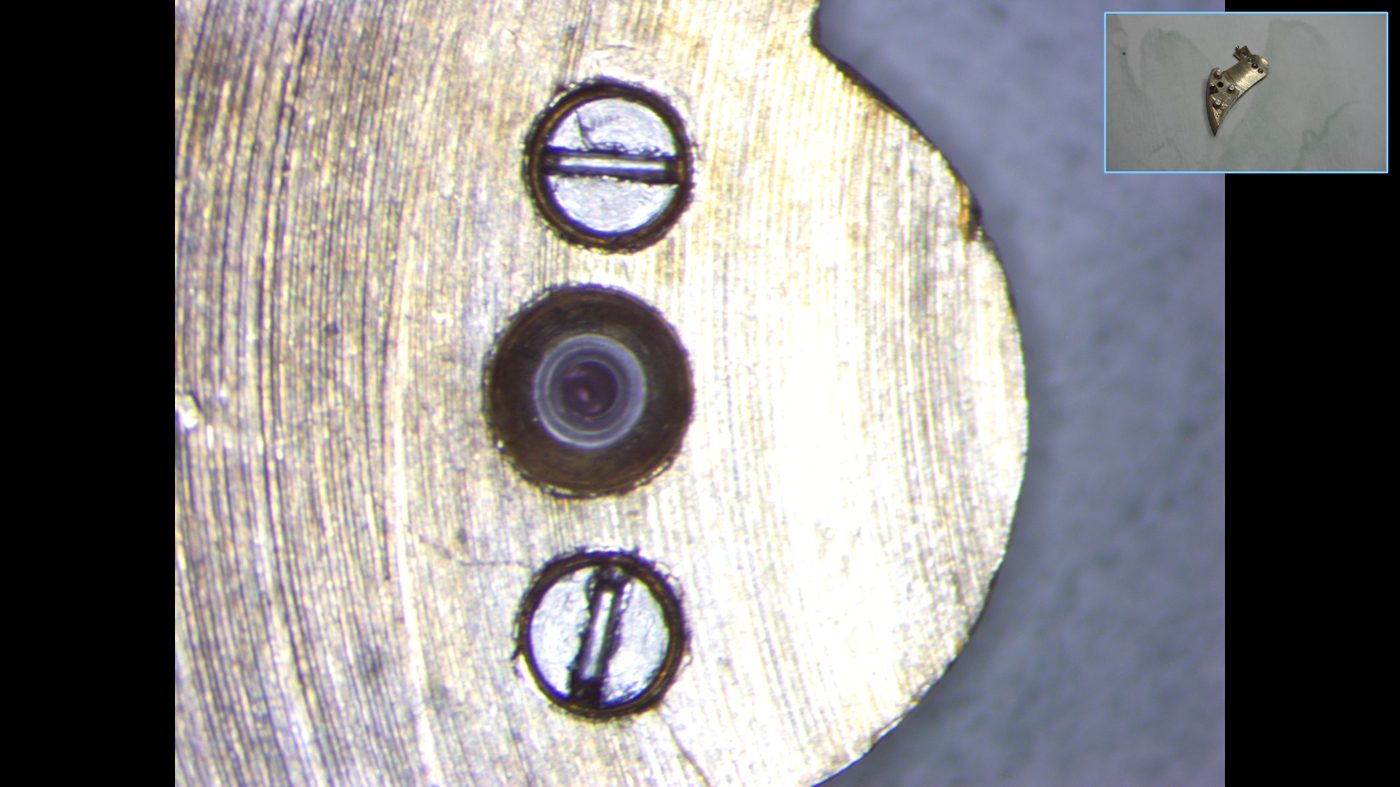
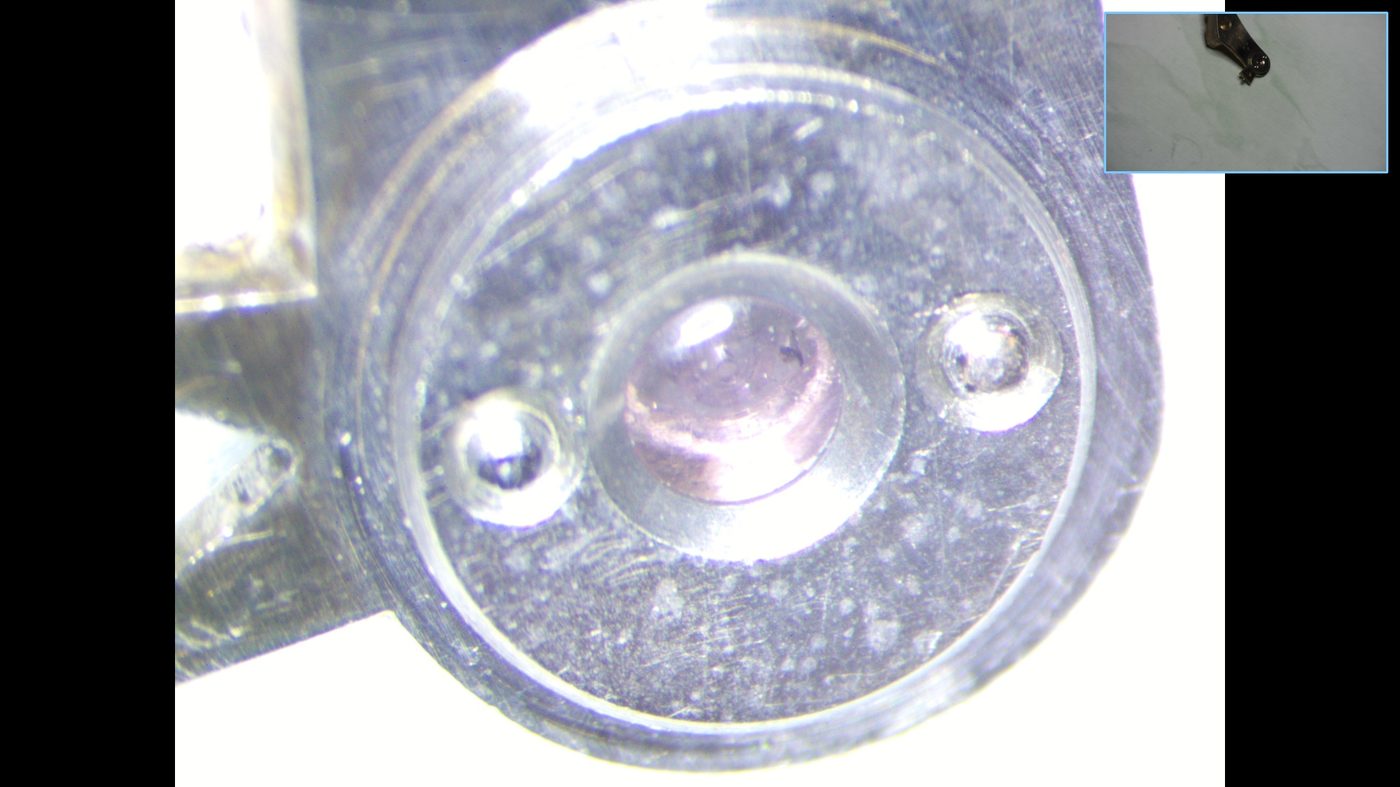
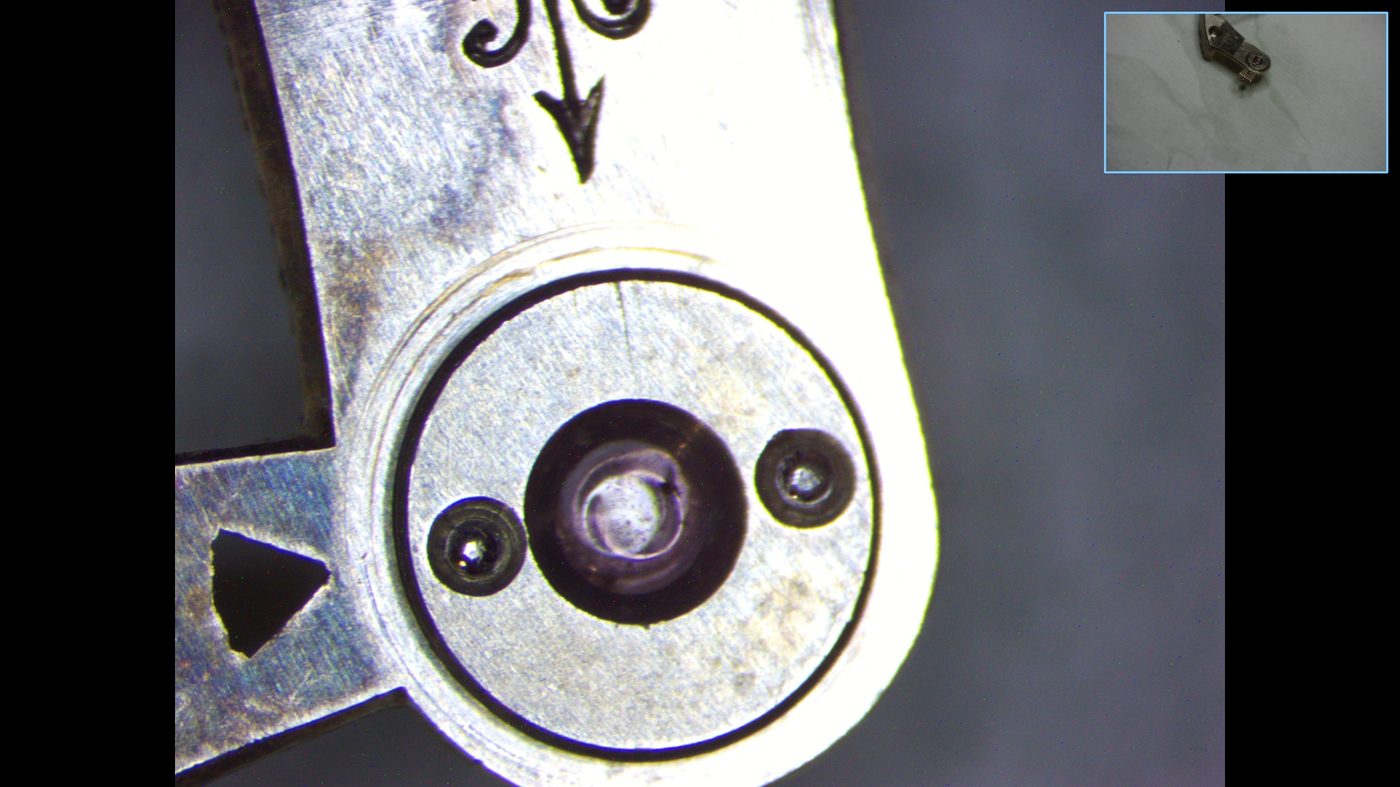
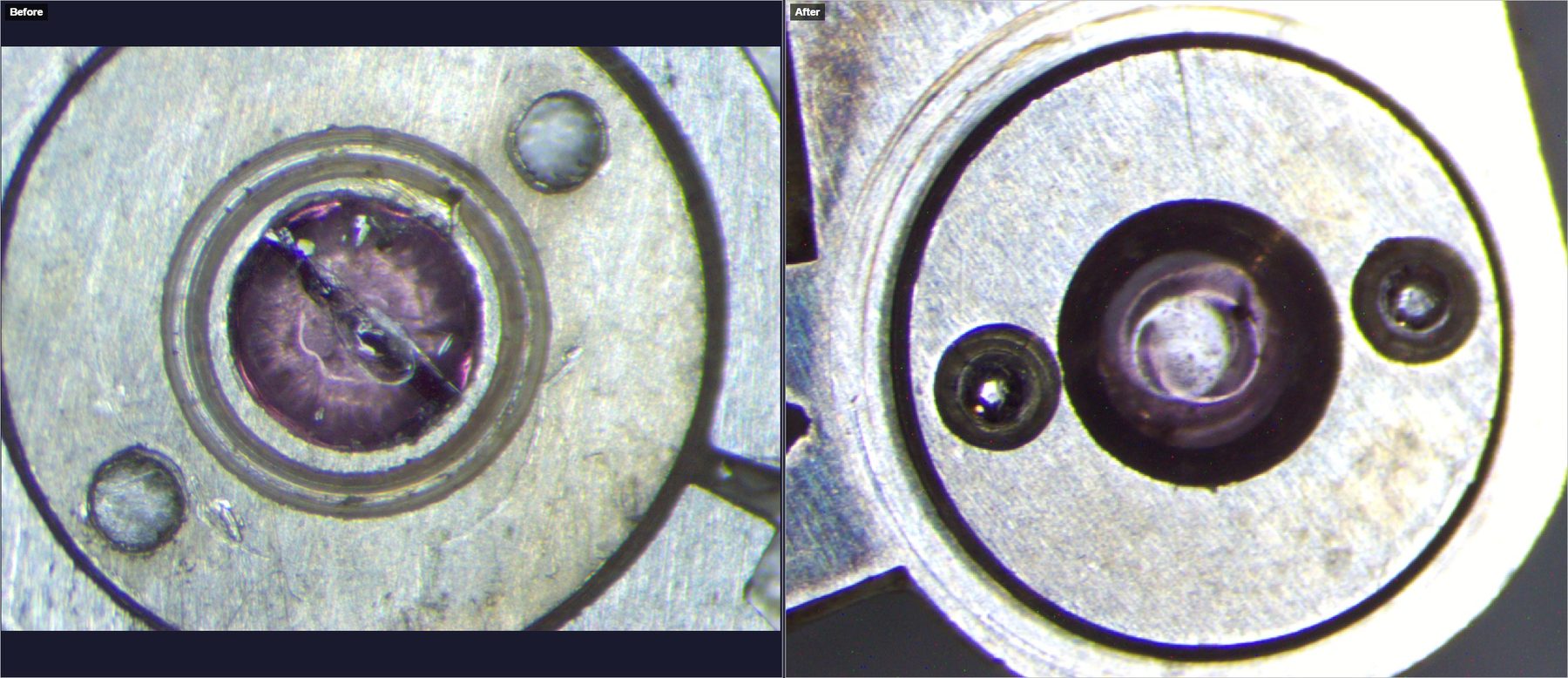
Fixing the broken jewel is kind of hard because I am not great a jeweling yet (firstly) but also it is an unusual size for a jewel.
The best advice I received was since this is a cap jewel, I could push the broken jewel out – then cut a brass bushing to OD size to press into the hole, then fit a smaller more common diameter cap jewel into the bushing. Since this is a cap jewel, the jewel only needs to be large enough to ensure the balance staff pivot will be covered by it and hold oil. The depthing is more simple as it's just level to the bottom face of the chaton since it is a cap jewel.
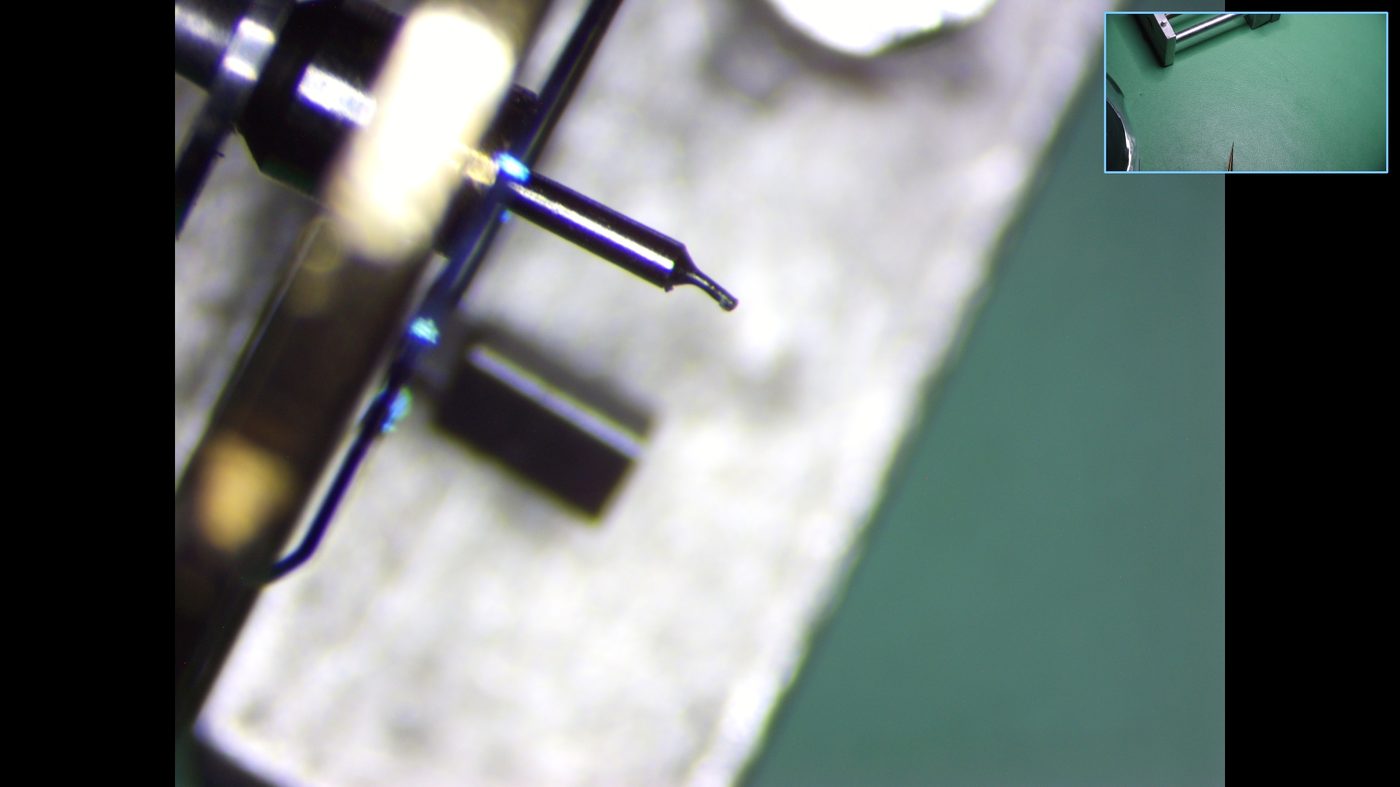
Next, I think I’ll wash or re-wash the parts.
I honestly can’t recall if I put this through the ultrasonic, so I’m going to do it again.
Then I’ll be able to assemble, lubricate and test it.
I am hoping the other main issue with the keyless was due to the parts being pushed out of place by some trauma and that during assembly I can get them all back in place correctly and working well.
Published with Bench Buddy.